
The idea
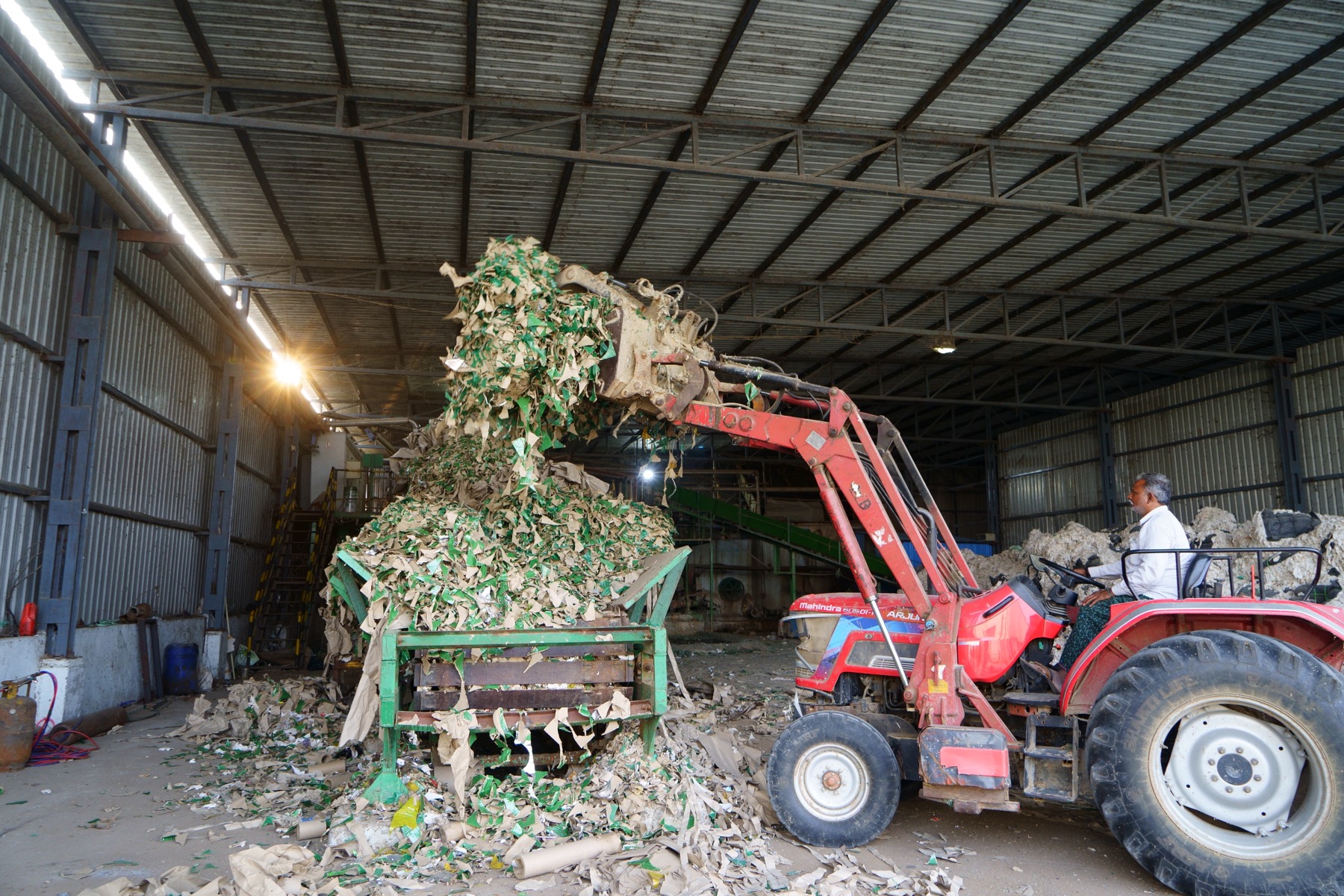
Most businesses treat waste as a cost: something to be carted away. Srikanth Bolla treats it as a starting point. Bollant Industries, which he co-founded in Hyderabad in 2012 with Ravi Mantha, buys waste paper that others throw away, recycles it at its own mills and makes it into products people pay for.
He applies the same thinking to people. A blind boy from a farming village was not supposed to study science, reach MIT or run factories. He did all three because people backed him when others had written him off. “Nothing is waste. No one is waste.” is how this site sums up what he has done with that start.
Four arenas
- Business
- Waste paper and fallen areca leaves become kraft paper and board, packaging, paper cores and cones, cups and tableware.
- People
- More than 500 people work across the group, on lines built so that people of every ability can run them, to one output standard.
- Giving
- The Samanvai Centre for Children with Multiple Disabilities, which he co-founded in Hyderabad in 2011, with a Braille printing press and a digital library.
- Founders
- A director of the Surge Impact Foundation, and a Guest Shark on Shark Tank India in 2025.
Business: materials
The business is the clearest example. Used paper and board arrive at Bollant’s two recycling mills, at Pochampally and Jeedimetla, and are pulped and remade into kraft paper and board, about 160 tonnes a day across the two mills. Eight manufacturing units in Telangana and Karnataka then turn that paper into the products listed below. More is on Building Bollant.
People: no one written off
Bollant’s tagline, “Where everyone counts”, is also its operating rule. The lines are built so that people of every ability can run them, and the work is measured the same way for everyone. The case study Where everyone counts tells that story.
Giving: a chance to learn
Before Bollant existed, he set up a computer-training centre for blind students in Hyderabad while he was still at MIT, and the Samanvai Centre followed in 2011. Children who might have been left out of school got Braille books, a digital library and computer skills. The full account is on Giving back.
Founders: backing the next ones
He was backed by Ravi Mantha and then by Ratan Tata. Through the Surge Impact Foundation, a Hyderabad accelerator for social entrepreneurs, and on the panel of Shark Tank India, he now sits on the other side of the table. See Backing founders.
From waste to value: what is live
Every line below is in production today, as the company publishes it. This page lists only what is live.
| Waste stream | Becomes | Status |
|---|---|---|
| Waste paper: used paper and board | Kraft paper and board, packaging, paper cores and cones, cups and paper tableware | Live: two recycling mills, about 160 tonnes a day combined |
| Fallen areca-palm leaf sheaths | Compostable plates, bowls and trays | Live: sold through Bollant Foods and EarthCleanse |
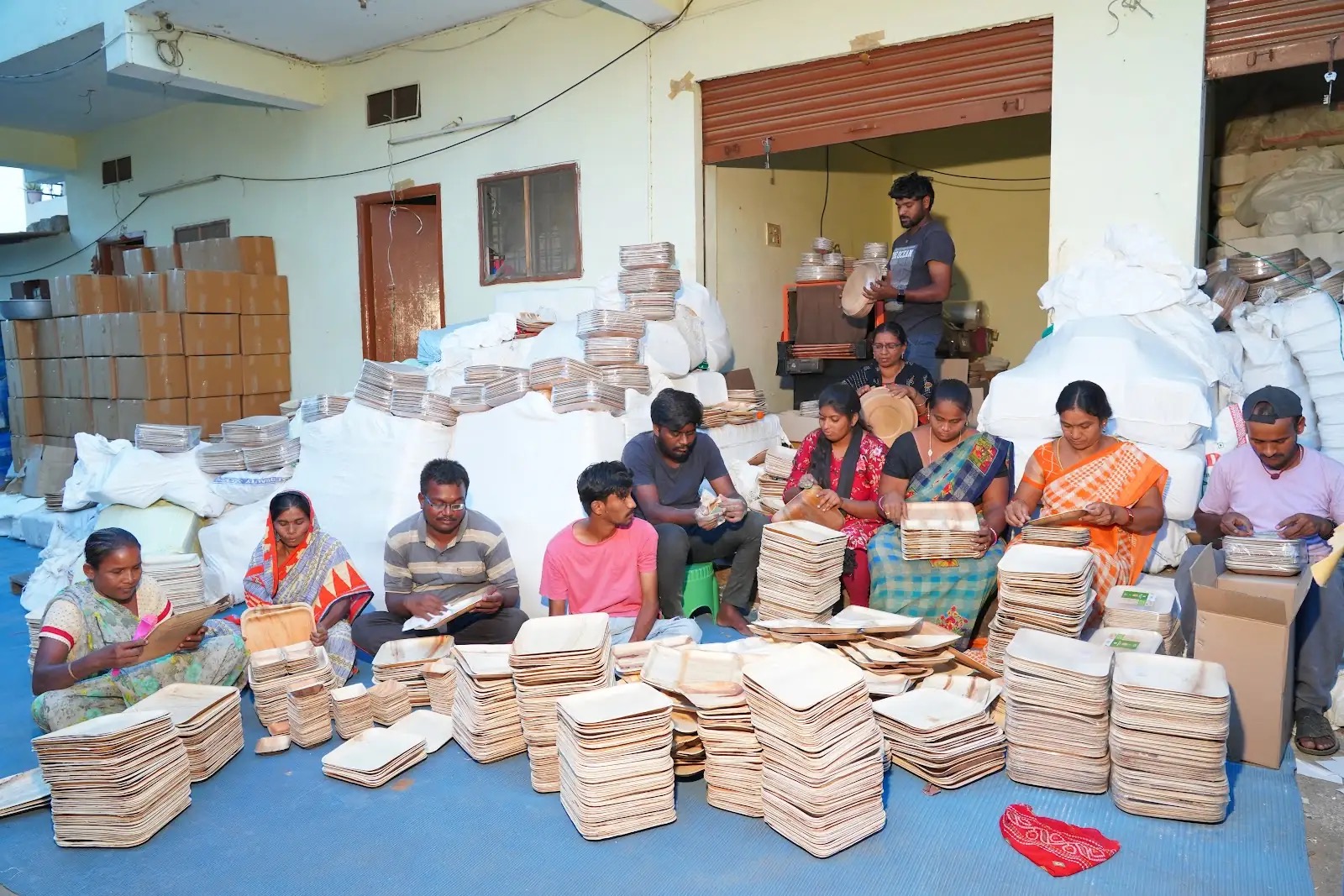
Areca palms shed their leaf sheaths naturally. Bollant presses those fallen sheaths into plates, bowls and trays that return to the soil after use. Like waste paper, the raw material is something that would otherwise be thrown away. The full chain from pulper to cup is in the case study Recycling paper into products, and the areca story in From areca leaf to global tableware.
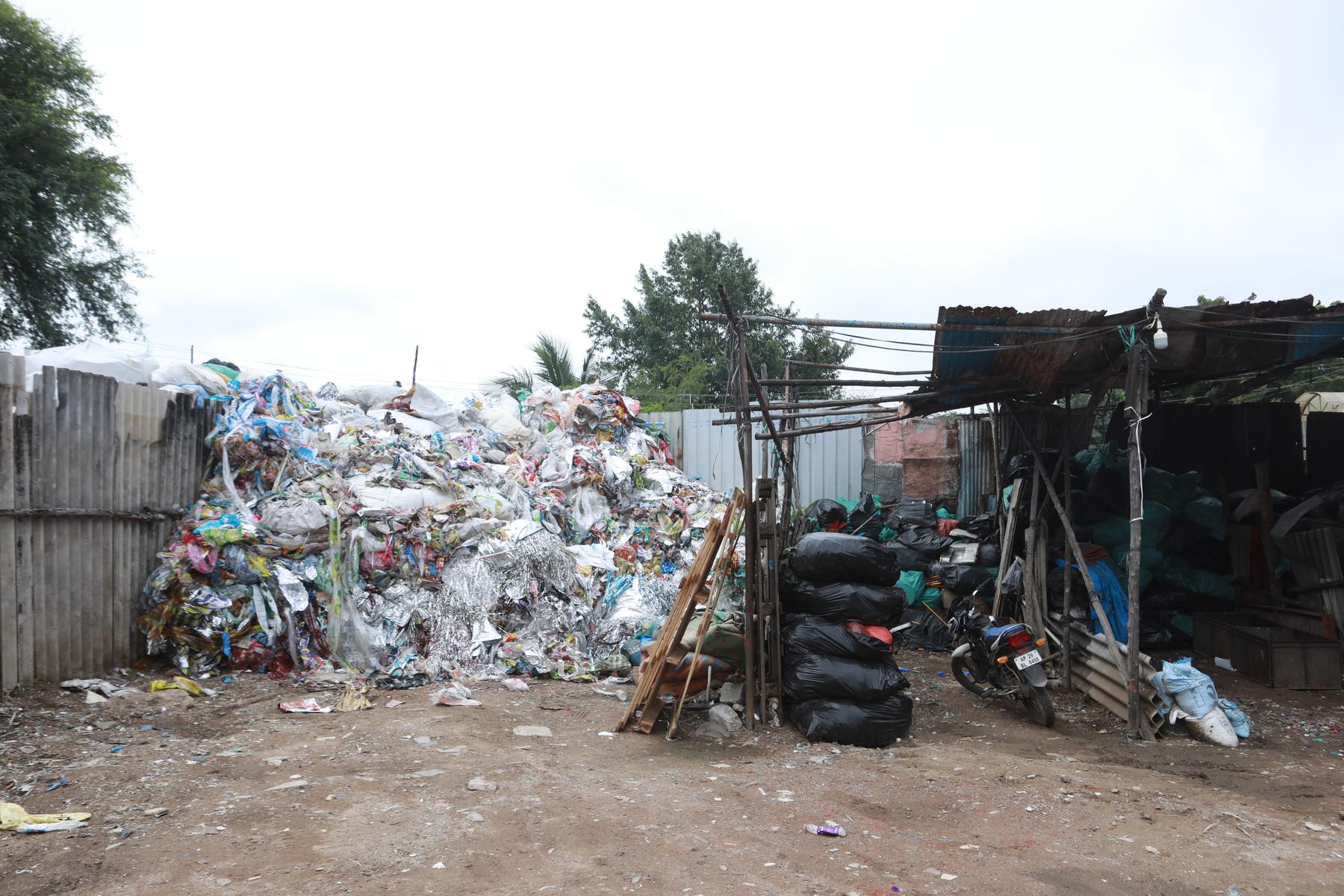
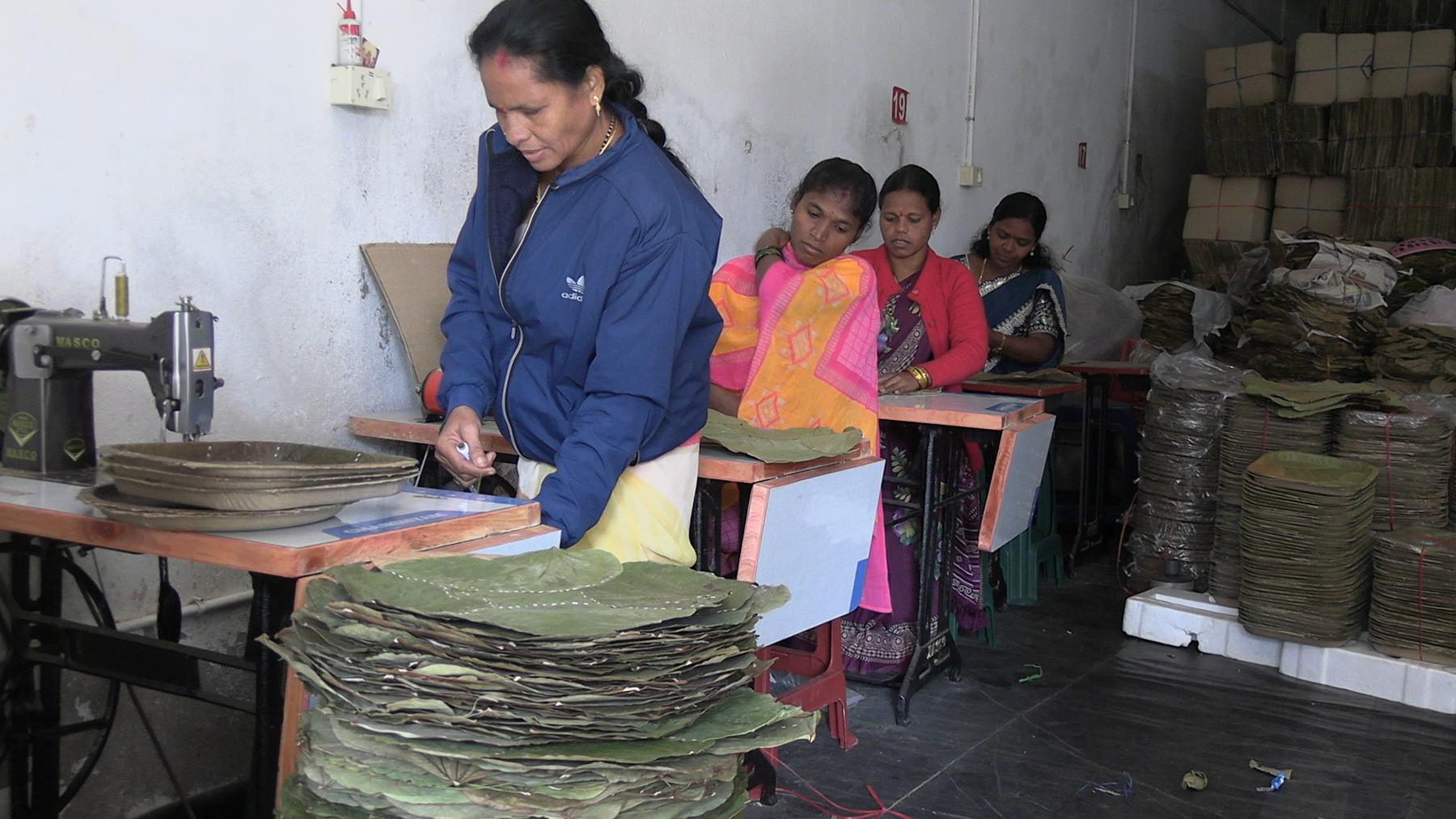
The factories and the people at work, in photographs · Factory footage
Where it comes from
He knows what it is to be written off. Speaking to MIT Spectrum in 2011 about his early years, he said: I spent my childhood in loneliness.
What changed his life were the people who backed him anyway: an uncle who suggested a school for the blind, teachers who taught him Braille, English and computers, MIT’s Public Service Center, which funded his first project, and the investors who bet on a young blind founder.
Everything he has built since gives that support back: work for people others might not hire, learning for children others might not teach, and backing for founders with ideas but no network. It is also the Planet in People, Planet, Prosperity: a company that turns waste into products and makes tableware that returns to nature.
Frequently asked
What does “Nothing is waste. No one is waste.” mean?
It is the idea that runs through Srikanth Bolla’s work: discarded materials can become valuable products, and people others write off can do excellent work when the support is built around them.
What waste does Bollant turn into products?
Two streams are live: waste paper, recycled into kraft paper and board and then packaging, paper cores and cones, cups and tableware; and fallen areca-leaf sheaths, pressed into compostable plates, bowls and trays.
How much paper does Bollant recycle?
Bollant’s two recycling paper mills, at Pochampally and Jeedimetla, produce about 160 tonnes of kraft paper and board a day combined, as the company publishes it.
How does the idea apply to people?
Bollant’s lines are built so that people of every ability can run them, to one output standard. More than 500 people work across the group.
Sources
- Bollant Industries, company website (opens in a new tab)
- Bollant Foods, company website (opens in a new tab)
- EarthCleanse, brand website (opens in a new tab)
- MIT Spectrum, “Living his dream”, Spring 2011 (opens in a new tab)
- MIT News, “Inspired to help others”, 15 November 2011 (opens in a new tab)
Facts about Bollant are as the company publishes them.