
At a glance
- Who
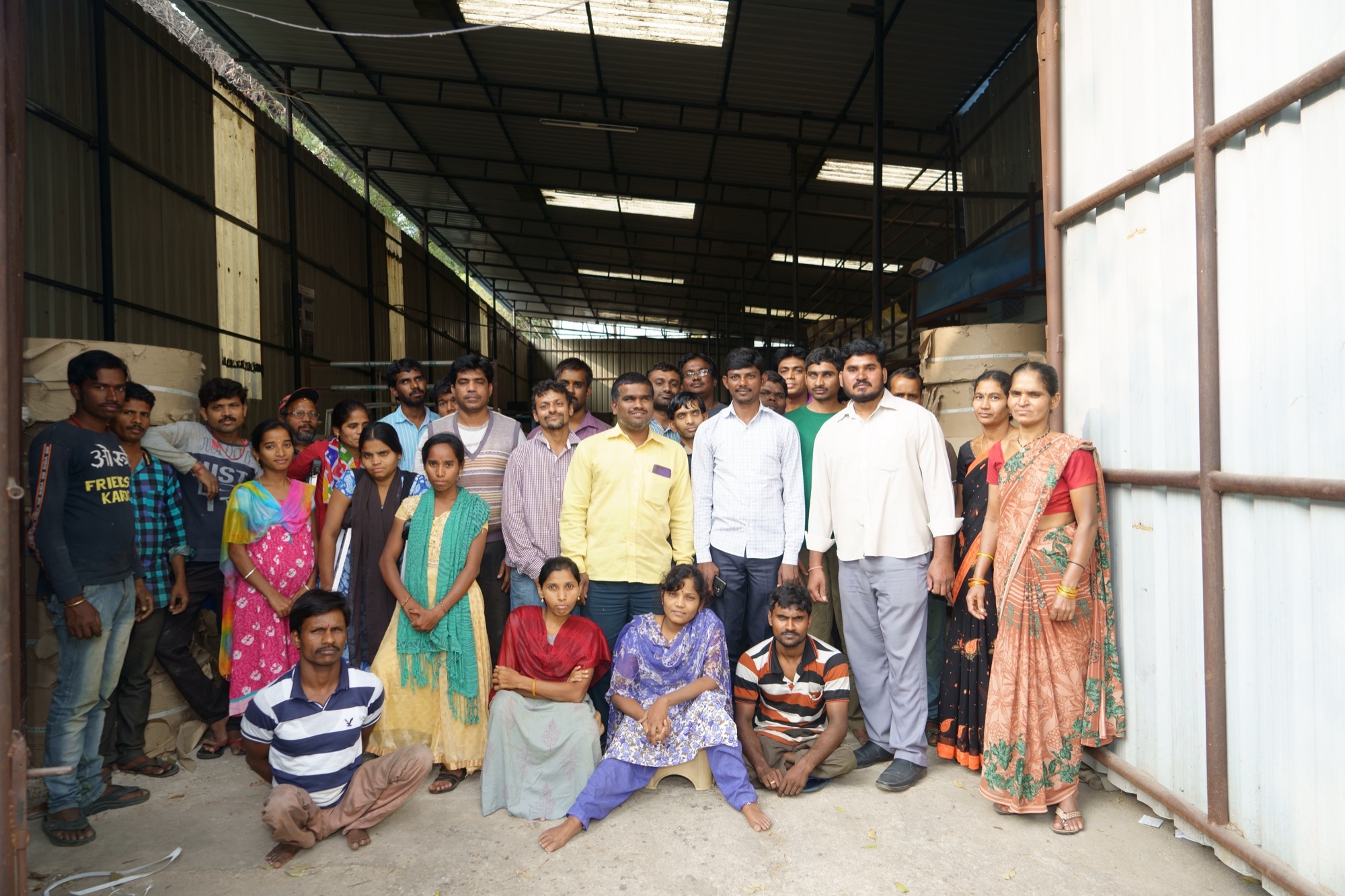
- Bollant Industries and its founder, Srikanth Bolla, who has been blind since birth.
- Where
- Two recycling paper mills and eight manufacturing units across Telangana and Karnataka.
- When
- Built into the company from its founding in Hyderabad in 2012.
- Scale
- More than 500 people across the group, all working to one output and quality standard.
The problem
Most industrial workstations are designed around one assumed worker: someone who can see and hear fully. Alarms are sounds. Quality checks are visual. Instructions are printed on labels and screens. Anyone who cannot rely on one of those senses is shut out of the task, even when they could do the work itself.
There was a second barrier. Many of the people Bollant set out to employ, including colleagues with disabilities, women from rural homes and people who never finished school, had never been given industrial work. They arrived without the background most factories expect from a new hire.
And there was no room for charity. Bollant sells paper, packaging and tableware to customers who buy on performance. Whatever it did had to hold output and quality on every line.
The approach
Bollant treated inclusion as a production design problem, following one of its stated values: if a task does not suit the person doing it, change the station, not the person. In practice that meant five steps.
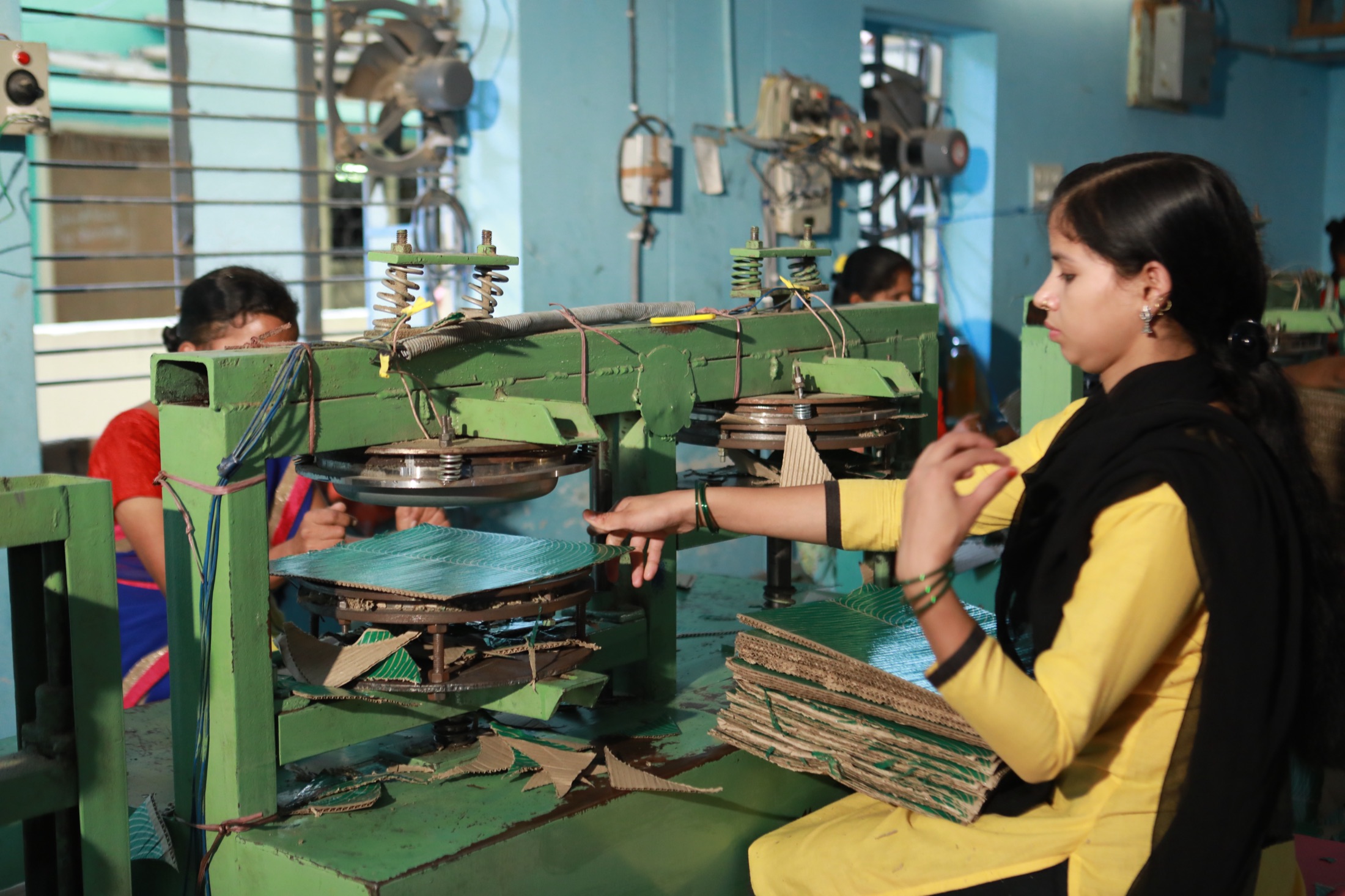
- Break each task down by sense. Every station was split into steps, and each step was checked for the sense it depends on: sight, hearing or touch.
- Redesign so it can be done by touch, sight or sound. Many visual checks can be done by touch with a jig or a stop. Alarms and cues reach more people when signals are combined: a light with a sound, or a sound with a vibration.
- Train at the station. New colleagues learn at the machine alongside a buddy, rather than in a classroom, so a lack of industrial experience does not hold anyone back.
- Keep one output standard. Once trained, everyone works to the same output and quality standard.
- Supervise on the floor. Managers check specifications where the work is done, so problems are seen at the station.
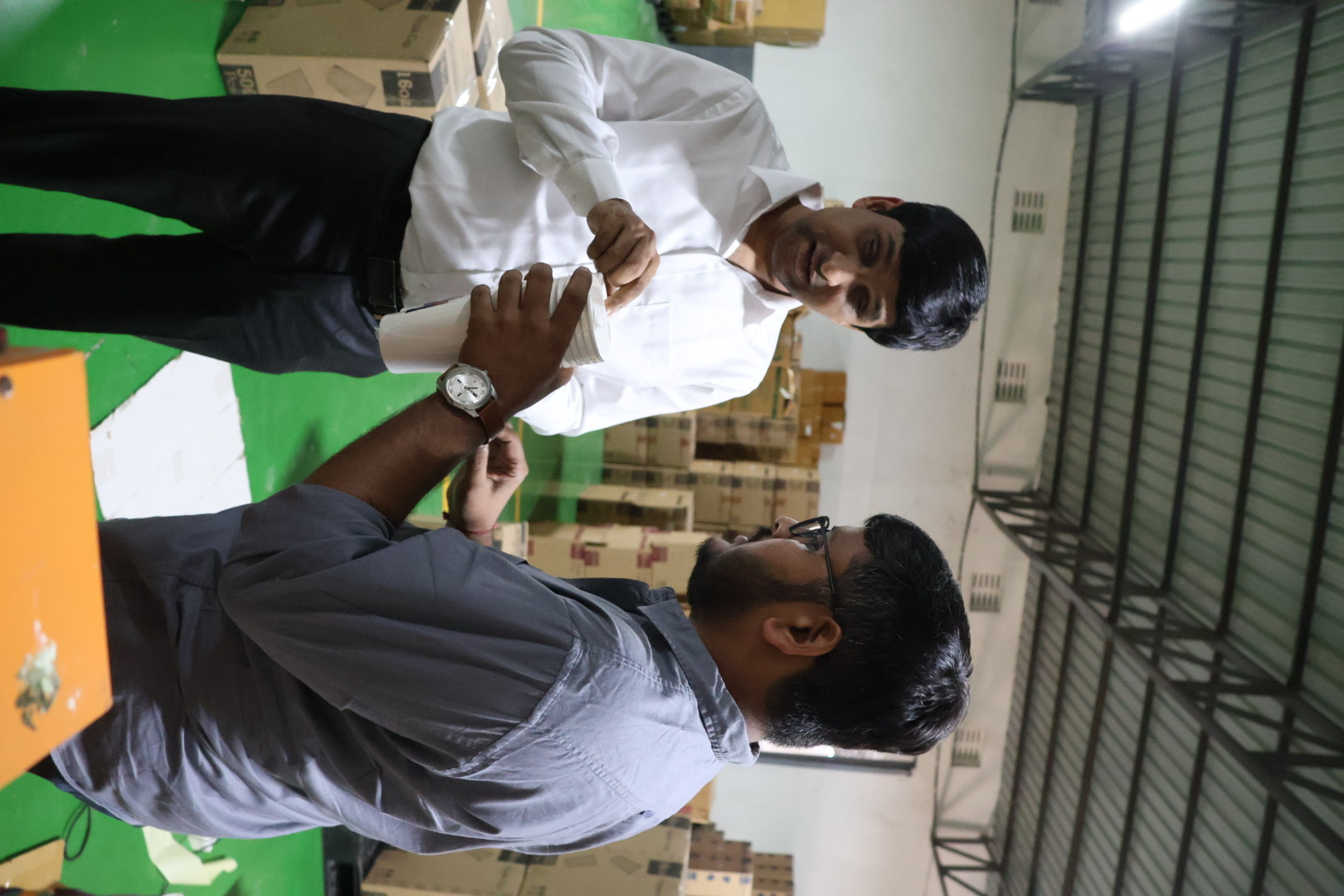
The founder leads by the same method. Srikanth checks paperboard reels, cup blanks and cartons by hand, and the company’s hiring starts from what a person can do rather than from a label.
What happened
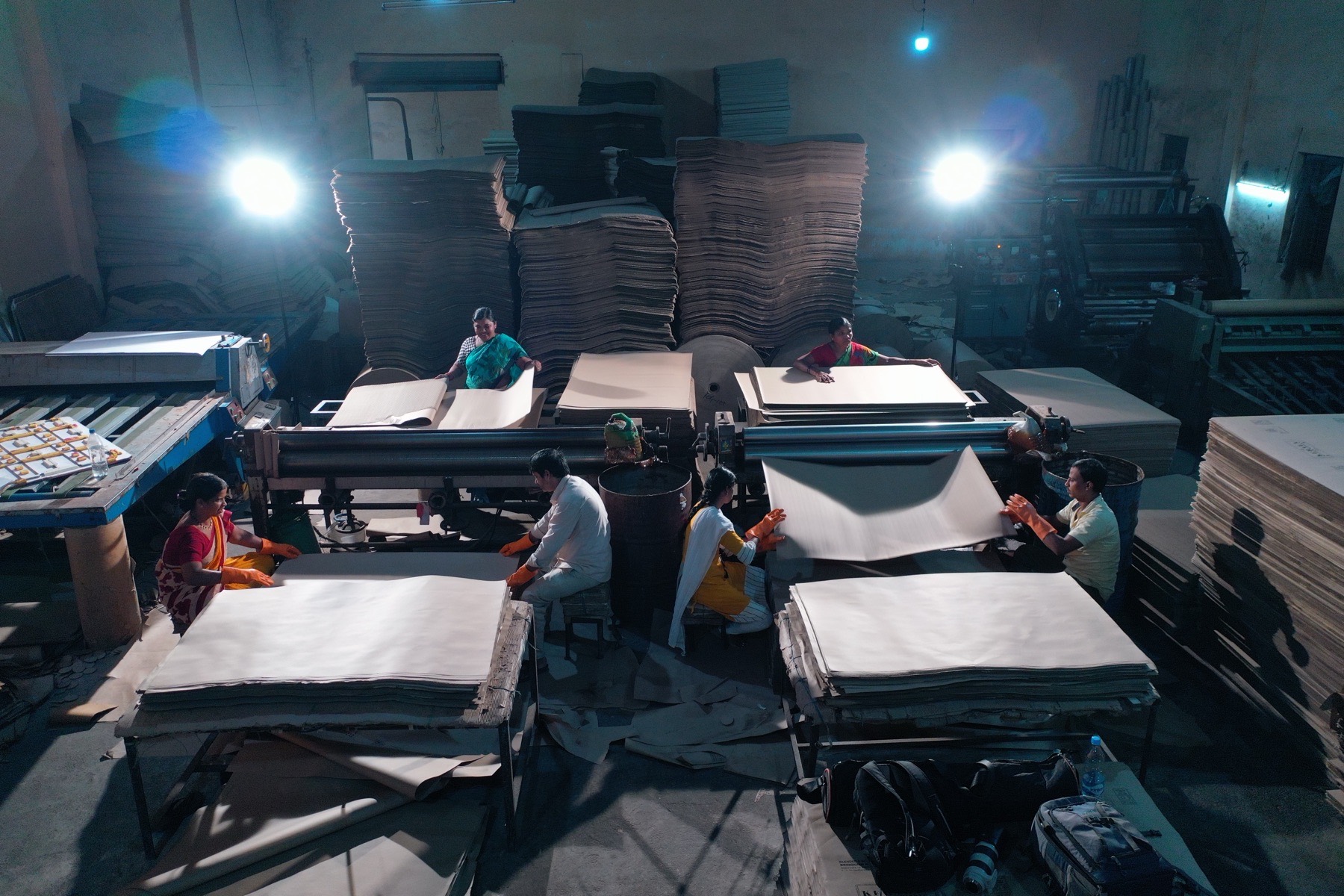
More than 500 people now work across the group, from the recycling mills to the converting and finishing floors, and all of them work to one output standard. The same approach runs in every unit in Telangana and Karnataka. It is summed up in the company’s tagline, which doubles as its hiring policy: “Where everyone counts.”
The single standard is what makes the result meaningful for the business. A station built so that people of different abilities can run it is also a station where the right way to do the task is built into the setup, and tasks that are easier to do right tend to produce fewer errors. Every order is still made to an agreed specification and checked before dispatch, whoever made it.
Bollant is also clear about what it has not published: productivity or defect comparisons between stations, a breakdown of the workforce by type of disability, or retention figures. It does not name or profile individual colleagues without their written consent.
Outside recognition has followed the model. In February 2026 the Adani Group gave Srikanth its Adani Ability Award for Excellence in Inclusive Entrepreneurship at GreenX Talks in Ahmedabad.
What it shows
Inclusion works on a factory floor when it is designed in, not added on. The method is not specific to Bollant or to disability: any employer can break a task down by the sense it relies on, offer more than one way to do it, train at the point of work and hold everyone to the same standard.
It is the core of what Srikanth tells leadership teams and inclusion summits: the question is not whether people can do the work, but whether the work has been designed so they can.
Frequently asked
Does inclusive design slow production down?
Bollant’s experience is that well-designed tasks are easier to do right, which tends to reduce errors. Once trained, everyone works to the same output standard.
How are new colleagues trained at Bollant?
At the machine, alongside a buddy. Many arrive without industrial experience, and the line is set up so that does not hold them back.
How many people work at Bollant?
More than 500 people across the group, in two recycling paper mills and eight manufacturing units in Telangana and Karnataka.
What does “Where everyone counts” mean?
It is Bollant’s tagline and its operating rule: every line is built so that people of every ability can run it, to one output standard.
Sources
- Designing a production line people of every ability can run, Bollant Industries (opens in a new tab)
- Workstations designed for every ability, Bollant Industries (opens in a new tab)
- GreenX Talks 2026: Adani Group reframes growth through dignity and inclusion, Vibes of India (opens in a new tab)
- Bolla calls for more opportunities for physically challenged, PTI via ThePrint, 5 August 2024 (opens in a new tab)
- Forbes India, 29 April 2024 (opens in a new tab)