
At a glance
- Who
- Bollant Industries, founded in Hyderabad in 2012 by Srikanth Bolla with Ravi Mantha. Srikanth is its Founder, Chairman and CEO.
- Where
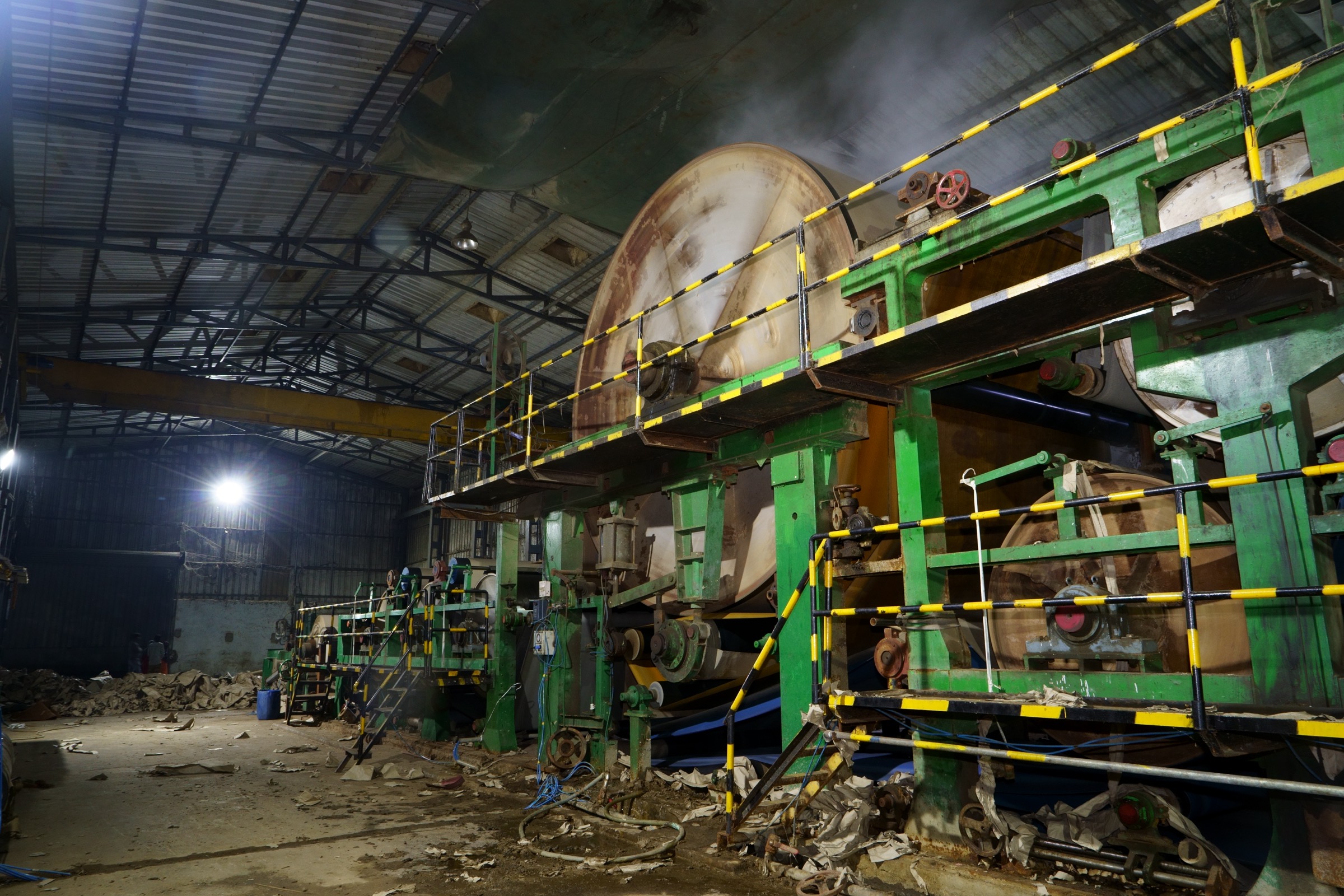
- Two recycling paper mills, at Pochampally and Jeedimetla in Telangana, feeding eight manufacturing units across Telangana and Karnataka.
- When
- Pochampally revived in 2017, Jeedimetla turned around in 2018.
- Scale
- About 160 tonnes a day across the two mills (company-stated design capacity), 36 products in seven families, more than 500 people across the group.
The problem
Bollant began in 2012 by making plates: pressed from fallen areca sheaths and punched from paper. Over the next few years it brought more of its inputs in-house, adding its own printing and adhesives units and then laminated paper sheets. By 2017 the weak link was paper itself. Lines that make cores, boxes and tableware need a steady supply of paper of a known grade, and buying it in left the business exposed.
A new paper mill would have meant buying land, waiting for permissions and sitting through a long build. Meanwhile, existing mills nearby were struggling. In India, waste paper travels from household and commercial bins through waste pickers and scrap dealers to aggregators, who sort and bale it for mills. When that flow is irregular or mixed in quality, a recycling mill cannot run steadily, and many stop.
The two mills Bollant took on show both versions of the problem. Pochampally, in Yadadri district, was distressed and closed, with idle machinery, outstanding dues and no secure supply of waste paper. Jeedimetla, in Hyderabad, was still running, but at a loss and far below what its machinery could deliver.
The approach
Bollant runs on a rule it states plainly: revive before you build. Idle plants, machines and skills go back to work before money goes into new capacity. For both mills it used the same three-stage method, which it calls ARO.
- Assess. Establish the facts first: title, feasibility, the value of the land and machinery, and a manpower plan. This is the stage that separates problems engineering can fix from ones, like an unclear title, that would stop the project outright.
- Re-engineer. Keep and modify the machinery that can be saved, add PLC automation so machine settings repeat from run to run, reorganise the lines and train the team. At Jeedimetla, automation and tighter line control went in from the first month.
- Optimise. Connect the mill to a steady flow of waste paper and to buyers for its output, align logistics and track output every day.
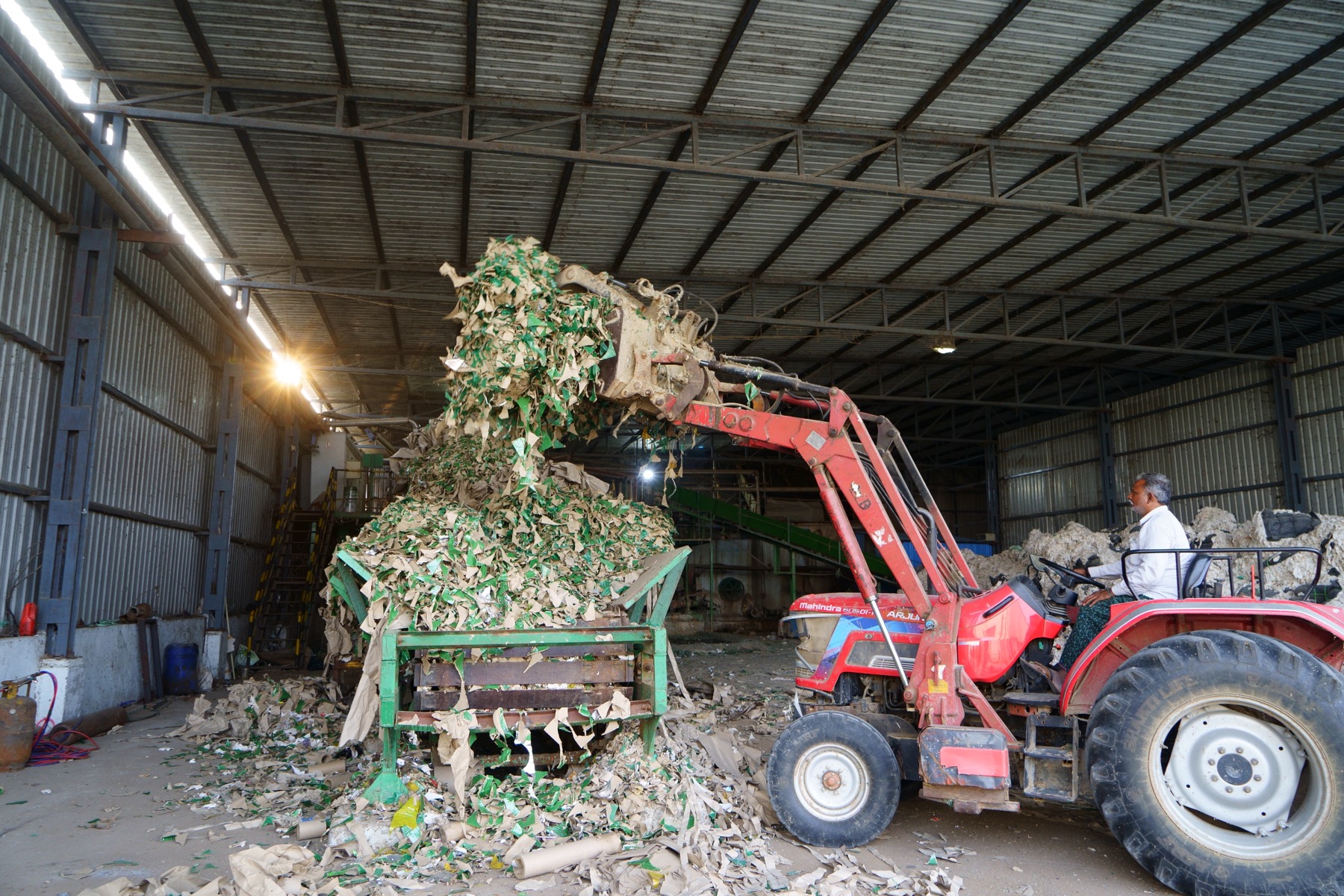
The supply side is what makes the model circular rather than just efficient. Bollant buys waste paper as a graded raw material and pays for it, instead of treating it as rubbish to be collected. Grading matters because a consistent feed means fewer breaks on the paper machine and more predictable strength in the finished reel.
From there, production runs in six stages: collect and grade; pulp and clean, where screens and cleaners take out plastic and other non-fibre material; form the sheet on PLC-controlled paper machines; reel and finish; convert into products; then inspect and dispatch.
What happened
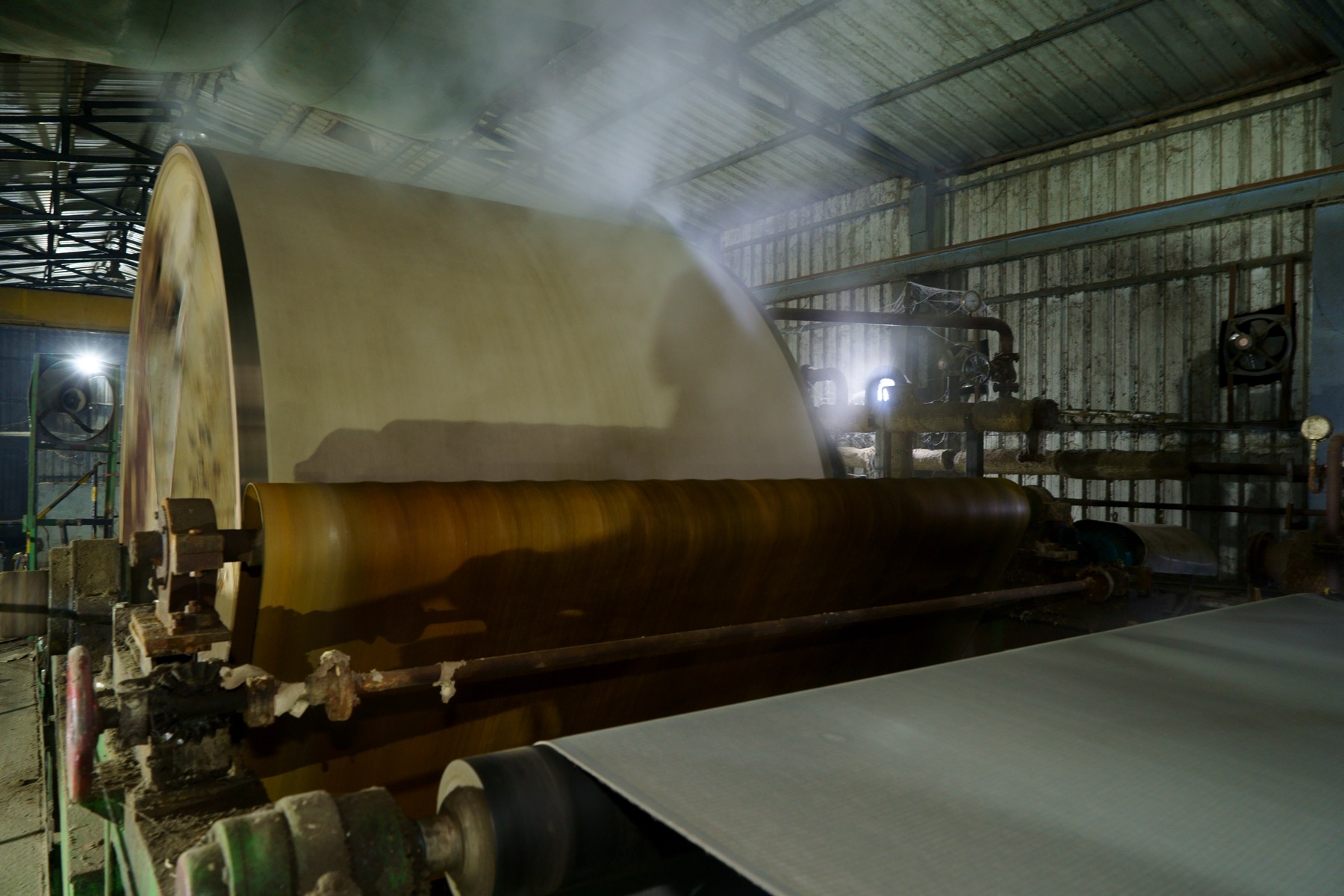
Bollant states that Pochampally’s output rose from 25 to 60 tonnes a day in about six months in 2017, the year it began making brown kraft paper entirely from waste paper. A year later, Jeedimetla went from 30 to 100 tonnes a day in about four months. Together the two mills have a combined design capacity of about 160 tonnes a day. These are company-stated figures, not audited output, and Bollant says so on its own site.
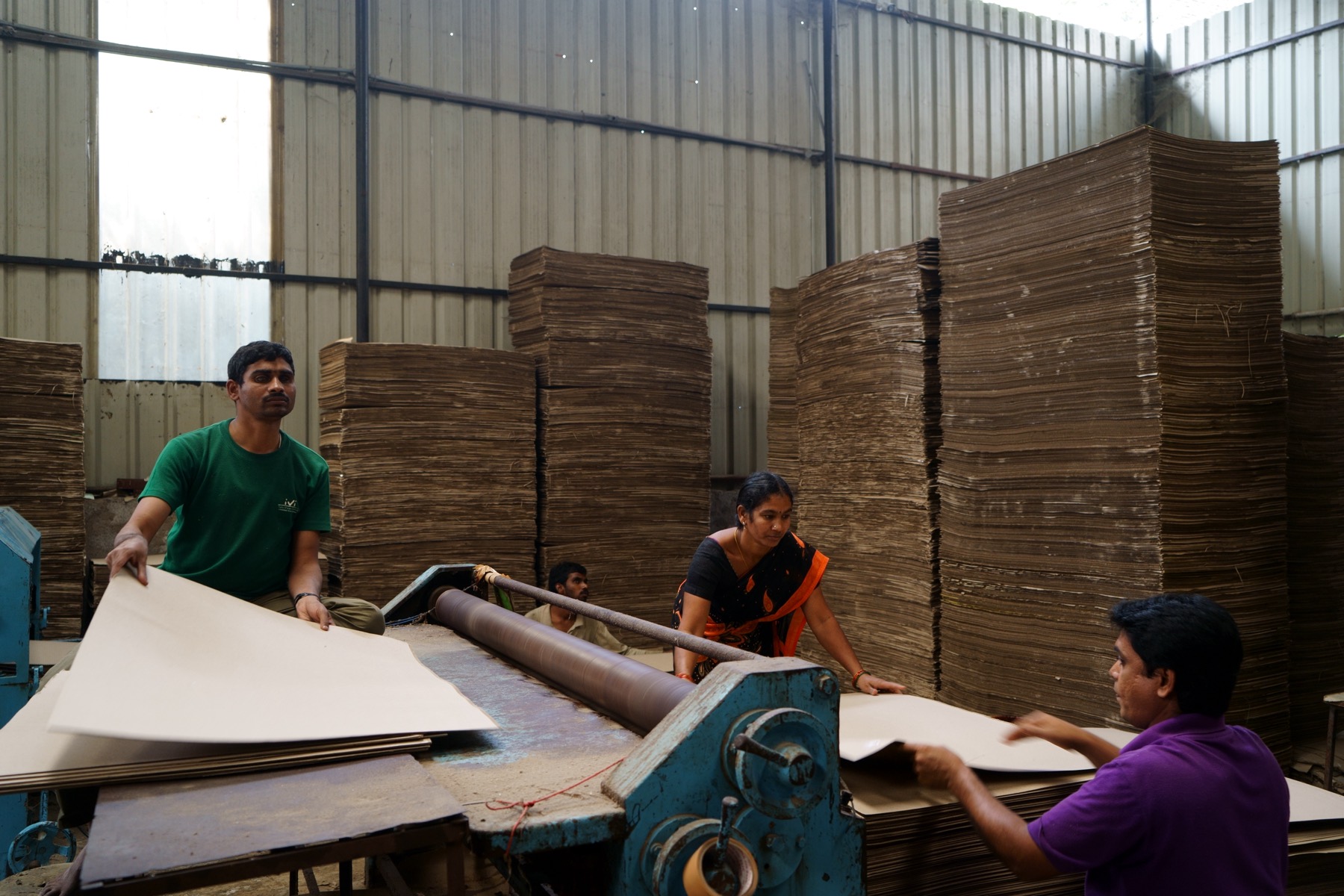
The paper does not leave the group as a commodity alone. The mills make kraft, deluxe, duplex and liner grades. Converting units then wind it into paper tubes, winding cores and textile cones for the textile and metal industries, turn it into corrugated and printed packaging, and form it into cups and plates. The same units also make Bollant’s own inks and adhesives. Grades not used in-house are sold to other converters.
Bollant also reports smaller loops around the mills: agricultural husk used to raise steam, ash sent to brick-making, process water returned, and plastic separated from waste paper sold for recycling. It is open that several of these still need to be measured before they appear in an impact report.
What it shows
The lesson is less about recycling technology than about where the leverage sits. A mill fails when its supply is unreliable, so Bollant fixed supply first, by paying for graded waste paper. A new plant is slow and costly, so it revived existing ones. And because its own converting lines buy the paper, the mills have a customer from the first day.
It is also how Srikanth Bolla talks about sustainability on stage: not as a pledge, but as an operating model in which the business case and the impact case are the same argument.
Frequently asked
How does Bollant recycle waste paper?
In six stages: waste paper is collected and graded, pulped and cleaned, formed into a sheet on PLC-controlled paper machines, reeled and finished, converted into products, then inspected and dispatched.
Where are Bollant’s paper mills?
At Pochampally and Jeedimetla in Telangana. Together they have a combined design capacity of about 160 tonnes a day, as stated by the company.
What does Bollant make from recycled paper?
Kraft, deluxe, duplex and liner grades; paper tubes, winding cores and textile cones; corrugated and printed packaging; and paper cups and plates. In all, Bollant makes 36 products in seven families.
Did Bollant build its paper mills from scratch?
No. Both were existing mills. Pochampally was closed when Bollant revived it in 2017; Jeedimetla was running at a loss when Bollant turned it around in 2018.
Sources
- Pochampally: bringing a closed paper mill back into production, Bollant Industries (opens in a new tab)
- Jeedimetla mill: from losses to 100 tonnes a day, Bollant Industries (opens in a new tab)
- Production in six stages, Bollant Industries (opens in a new tab)
- We buy waste paper as raw material, Bollant Industries (opens in a new tab)
- Forbes India, 29 April 2024 (opens in a new tab)