Key facts
- 2011
- Co-founds the Samanvai Centre for Children with Multiple Disabilities in Hyderabad
- 2011
- Tells MIT News his dream is to “have an inclusive society”
- 2012
- Co-founds Bollant Industries with Ravi Mantha; its tagline is “Where everyone counts”
- 2017
- Tells Entrepreneur India he wanted to create jobs for “people whom nobody wants to employ”
- Today
- More than 500 people across two recycling paper mills and eight manufacturing units
What does inclusive hiring actually mean?
Inclusive hiring means letting capability, not circumstance, decide who is hired, trained and promoted. It is not a quota and it is not charity. Srikanth Bolla calls the idea “capability over disability”, a phrase Telangana Today recorded in 2026.
In practice that changes the first question a hiring manager asks. Instead of “Can this person do the job as it is currently done?”, the question becomes “What does the job need to produce, and how can this person produce it?” The second question widens the pool without lowering the bar.
Why did Bollant build inclusion into its business model?
Because it started there. Srikanth Bolla had co-founded the Samanvai Centre for Children with Multiple Disabilities in 2011, and when he started Bollant a year later, employment for people who are routinely shut out of work was part of the plan from the first day.
I wanted to provide employment opportunities for people whom nobody wants to employ.
In the same interview he explained why he ties that social mission to a commercial one: charities, in his words, “are not sustainable”. A workplace that has to make money every month is a harder test of inclusion than a programme that does not, and a more durable one.
How do you design a job around what people can do?
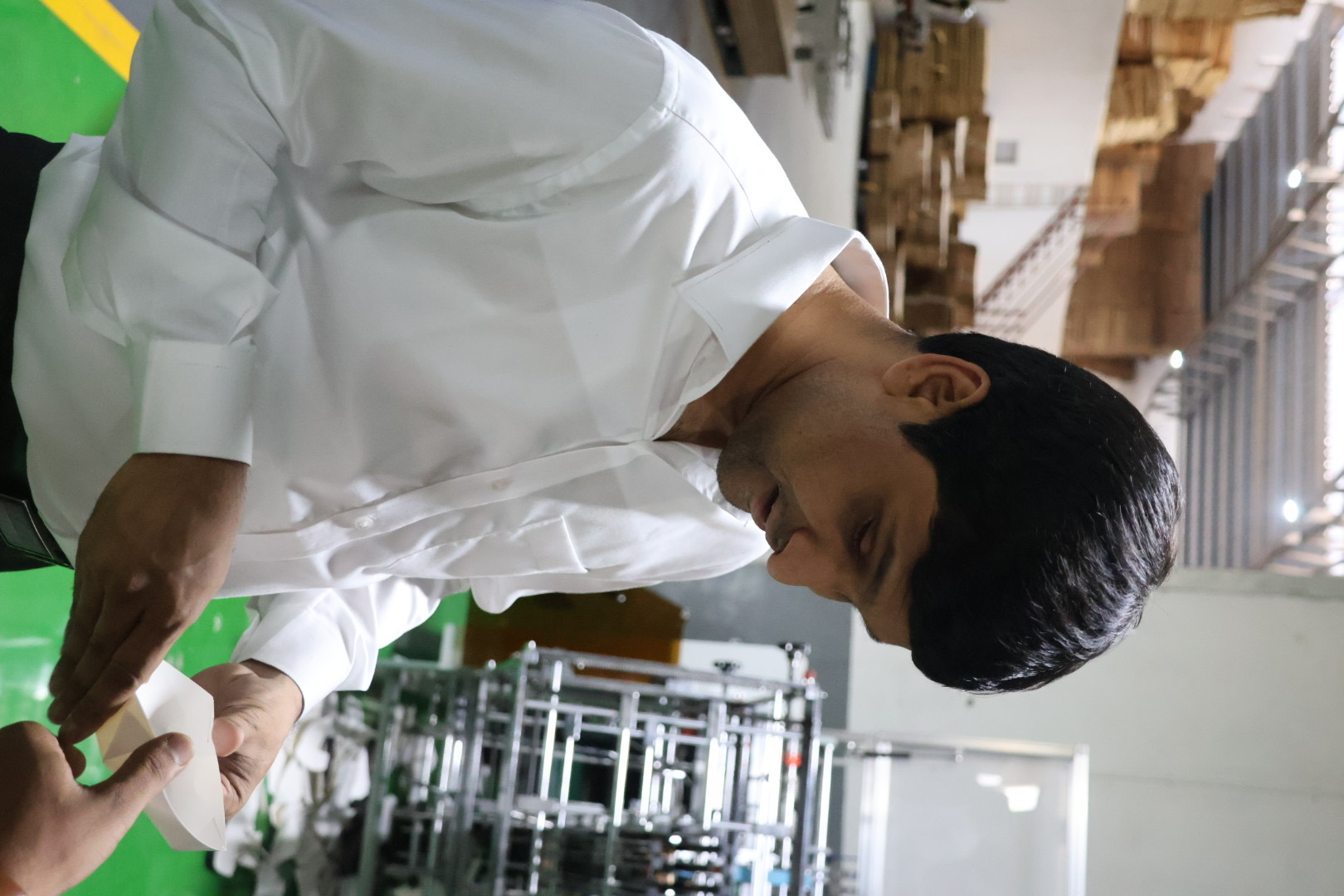
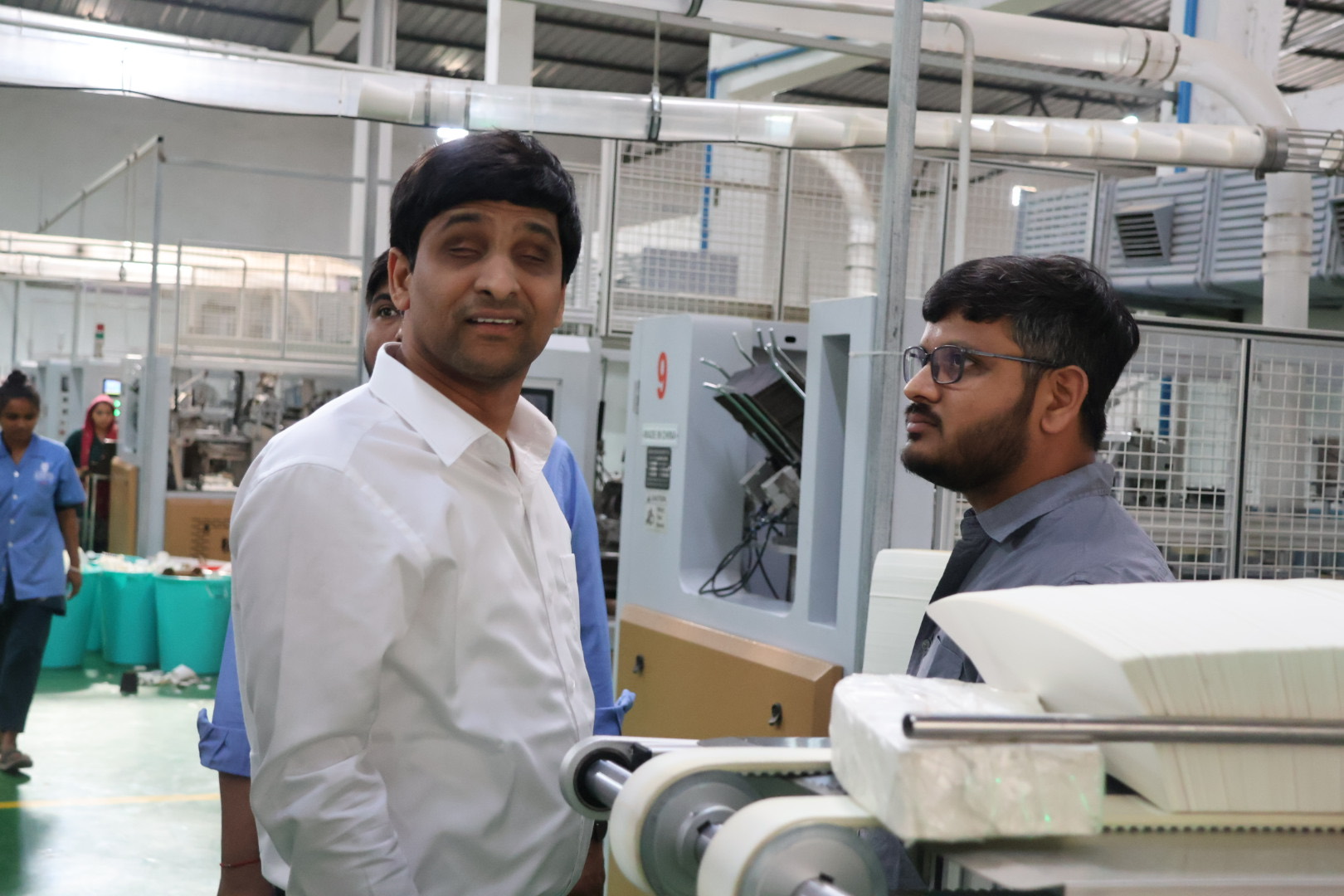
Bollant describes its lines as built so that people of every ability can work on them, to one output standard. That is a design decision, and it shows up in unglamorous places: how a line is laid out, how work is handed from one station to the next, how people are trained and how quality is checked.
For any employer, the method is the same. Write the job around its output rather than around assumptions about who can deliver it. Ask the people doing the work what gets in their way. Fix access before you advertise, not after the first hire struggles.

Does inclusion mean lowering the bar?
No. Inclusive does not mean lenient. Bollant’s products go to customers who care whether the plate holds, not who pressed it, and its export house, Bollant Foods, ships foodservice ware worldwide. One output standard, met by everyone, is the respectful version of inclusion.
It also protects the people on the line. When the standard is the same for all, nobody’s work is treated as a favour and nobody’s place depends on goodwill. That is what the tagline “Where everyone counts” means on a factory floor.
Does inclusion start before the hiring stage?
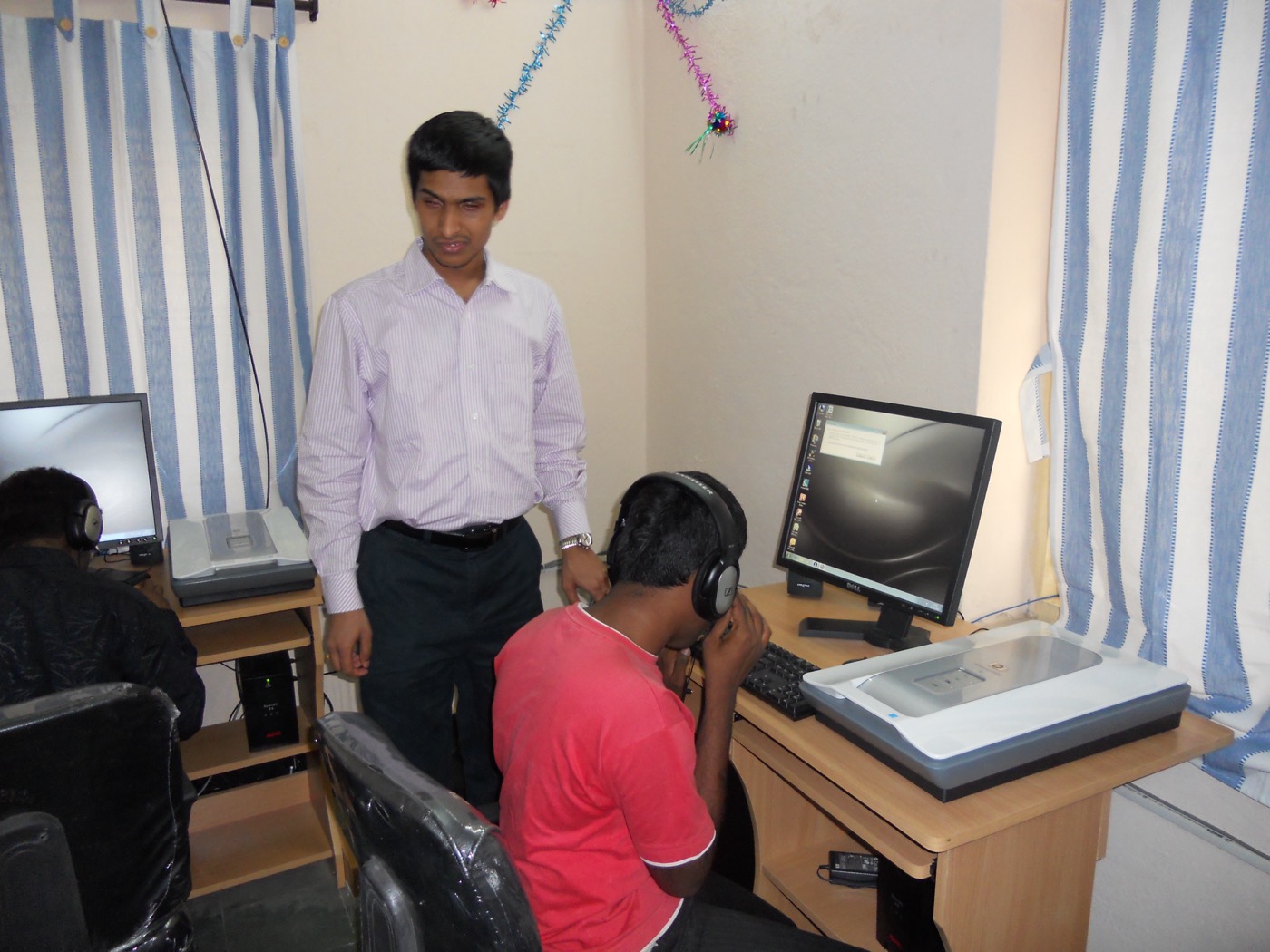
Yes, and usually years before. A candidate cannot be hired for a role their schooling never prepared them for. That is why his work on inclusion began with education: in 2011 MIT News reported that he had launched a computer research and training centre and a digital library for visually impaired students at the Samanvai Centre in Hyderabad.
He explained the thinking to MIT News at the time: “By providing computer education and accessible educational material, we can create self-confidence.” Employers who want a wider pool of candidates can support the same pipeline, through accessible internships, training partnerships and apprenticeships that lead to real jobs.
Where should an employer start?
Start small and real. Pick one role and rewrite it around its output. Check the building, the software and the interview process for barriers before the role is advertised. Train managers on what to ask and what not to assume. Then measure what matters to any business: whether people stay, grow and meet the standard.
Speaking in Kolkata in 2024, he acknowledged what government already does for people with disabilities but argued that “there is a need for further policy interventions for empowering and inclusive development of society” (ThePrint, 2024). Employers do not have to wait for that policy to act on it.
Frequently asked
What is inclusive hiring?
Inclusive hiring means letting capability, not circumstance, decide who is hired, trained and promoted. Jobs are written around their output, and barriers in the workplace and the hiring process are removed before roles are advertised.
Does inclusive hiring lower standards?
No. At Bollant Industries every line is built so that people of every ability can run it, to one output standard. A single standard for everyone is what makes inclusion respectful and durable.
Why does Srikanth Bolla hire people with disabilities?
He told Entrepreneur India in 2017: “I wanted to provide employment opportunities for people whom nobody wants to employ.” He ties that social mission to a commercial one, because charities, in his words, “are not sustainable”.
What does “Where everyone counts” mean?
It is Bollant Industries’ tagline and its operating rule: lines are built so that people of every ability can work on them, measured the same way for everyone.
Does Srikanth Bolla speak about diversity and inclusion?
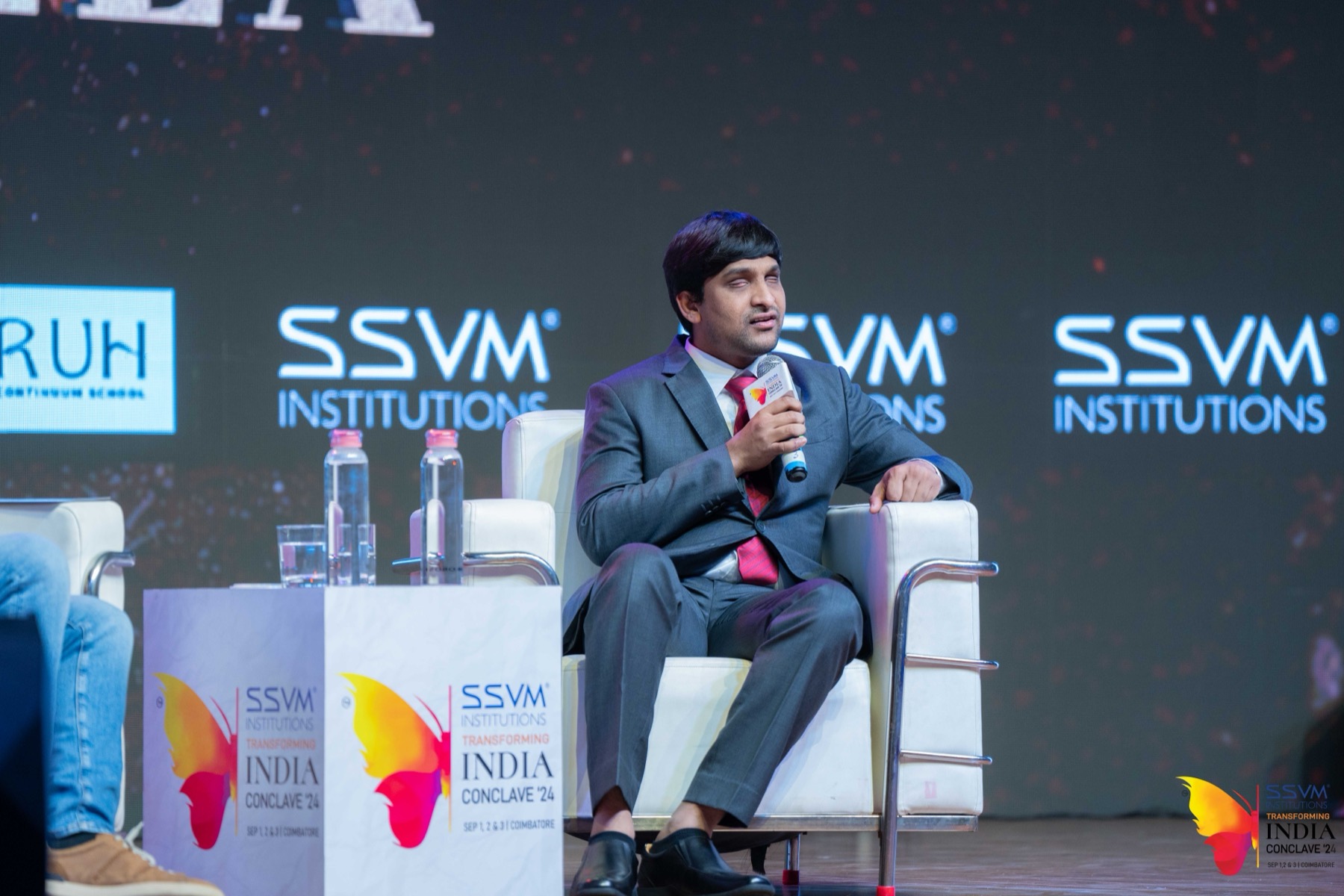
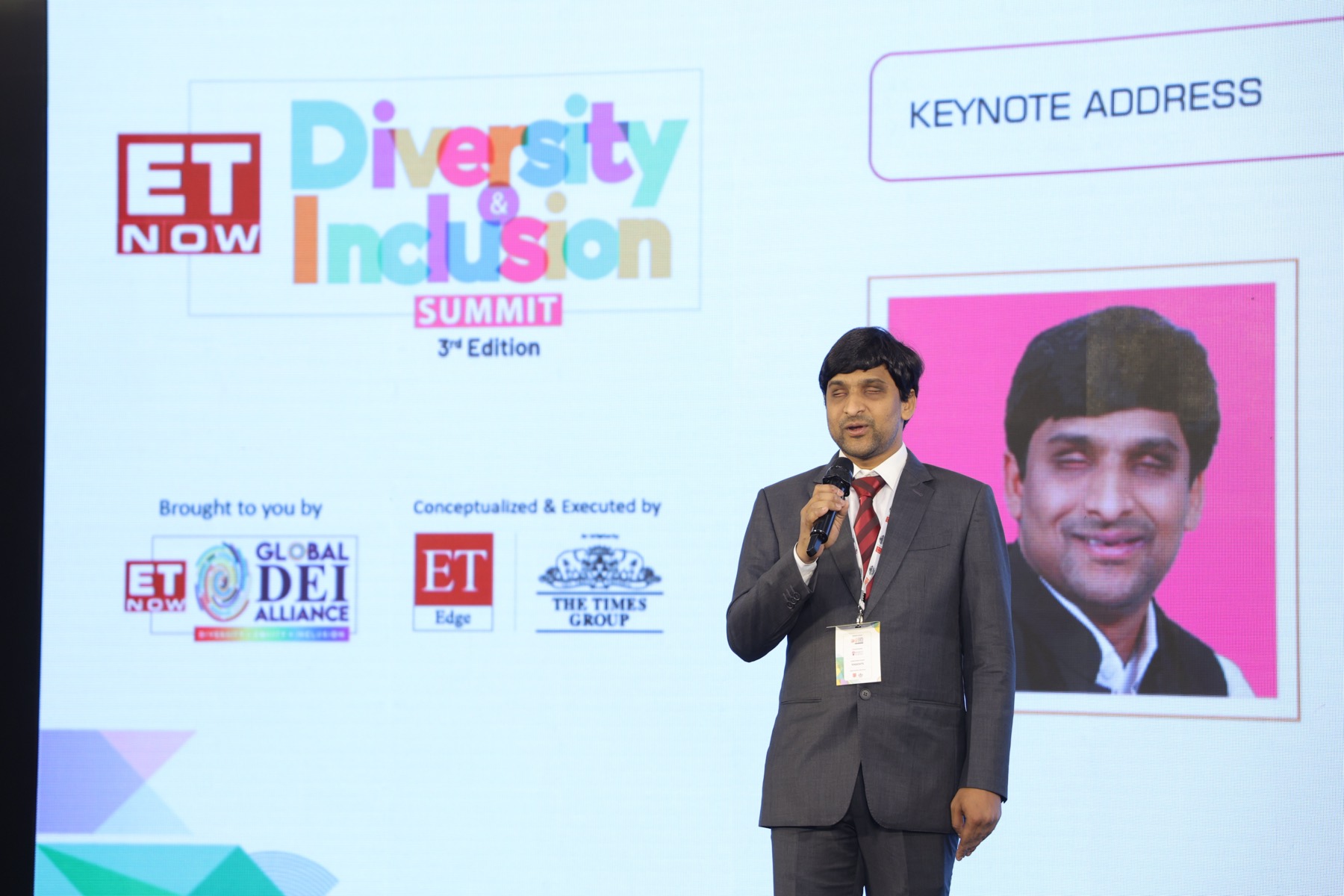
Yes. Talent beyond labels, on building disability-inclusive workplaces, is one of his talks for HR, inclusion and people leaders, given as a keynote or panel.
Sources
- Entrepreneur India, “This 24-year-old CEO has a vision beyond sight”, 25 February 2017 (opens in a new tab)
- Telangana Today, inaugural Santokbaa Social Entrepreneur Award interview, 28 June 2026 (opens in a new tab)
- MIT News, “Inspired to help others”, 15 November 2011 (opens in a new tab)
- ThePrint (PTI), “Bolla calls for more opportunities for physically challenged”, 5 August 2024 (opens in a new tab)
- Bollant Industries, company website (opens in a new tab)
- Bollant Foods, company website (opens in a new tab)
Facts about Bollant are as the company publishes them; more of his words, each with its source, are on the quotes page.