Key facts
- Class X
- 98%, the result that should have opened every stream to him
- Court case
- Won the right to study science after about six months; the first blind student in Andhra Pradesh allowed to do so
- IIT
- Turned away by the coaching institutes that prepare students for the IIT entrance examination
- MIT
- First international blind student; studied business and management; Class of 2013
- 2010
- Profiled by MIT News in his first year at the institute
Why didn’t he go to an IIT?
After winning his court case and studying science, he wanted to sit the IIT entrance examination. The coaching institutes that prepare students for it would not take him. He told the BBC in 2022 that he had been told “the course load would be like pouring rain on a small sapling”.
Forbes India reported in 2024 that he also applied to BITS Pilani and was not issued a hall ticket. Neither refusal was about his results, which were strong. Both were about assumptions.
If IIT didn’t want me, I didn’t want IIT either.
How did he apply to MIT?
Rather than wait for an Indian institution to change its mind, he applied to undergraduate programmes in the United States. Business Today, citing his interview with the BBC, reported in 2024 that he received several offers and chose MIT, in Cambridge, Massachusetts.
The decision matters as much as the admission. He moved his effort to a system that would assess him on his record, and he arrived as MIT’s first international blind student. There is no secret technique in that: a strong record, a wide application list, and the willingness to go a long way from home.
What did he study at MIT?
He studied business and management at MIT and graduated with the Class of 2013. In a 2011 profile, MIT News quoted him on why the subject suited him: “With management, it’s in my hands. I can use management skills however I like.”
The same profile records what he liked about the school’s approach: “I like the philosophies of MIT Sloan, which prepare students to go out into the world to solve problems.” That is a fair summary of what he did next.
What did he do while he was at MIT?
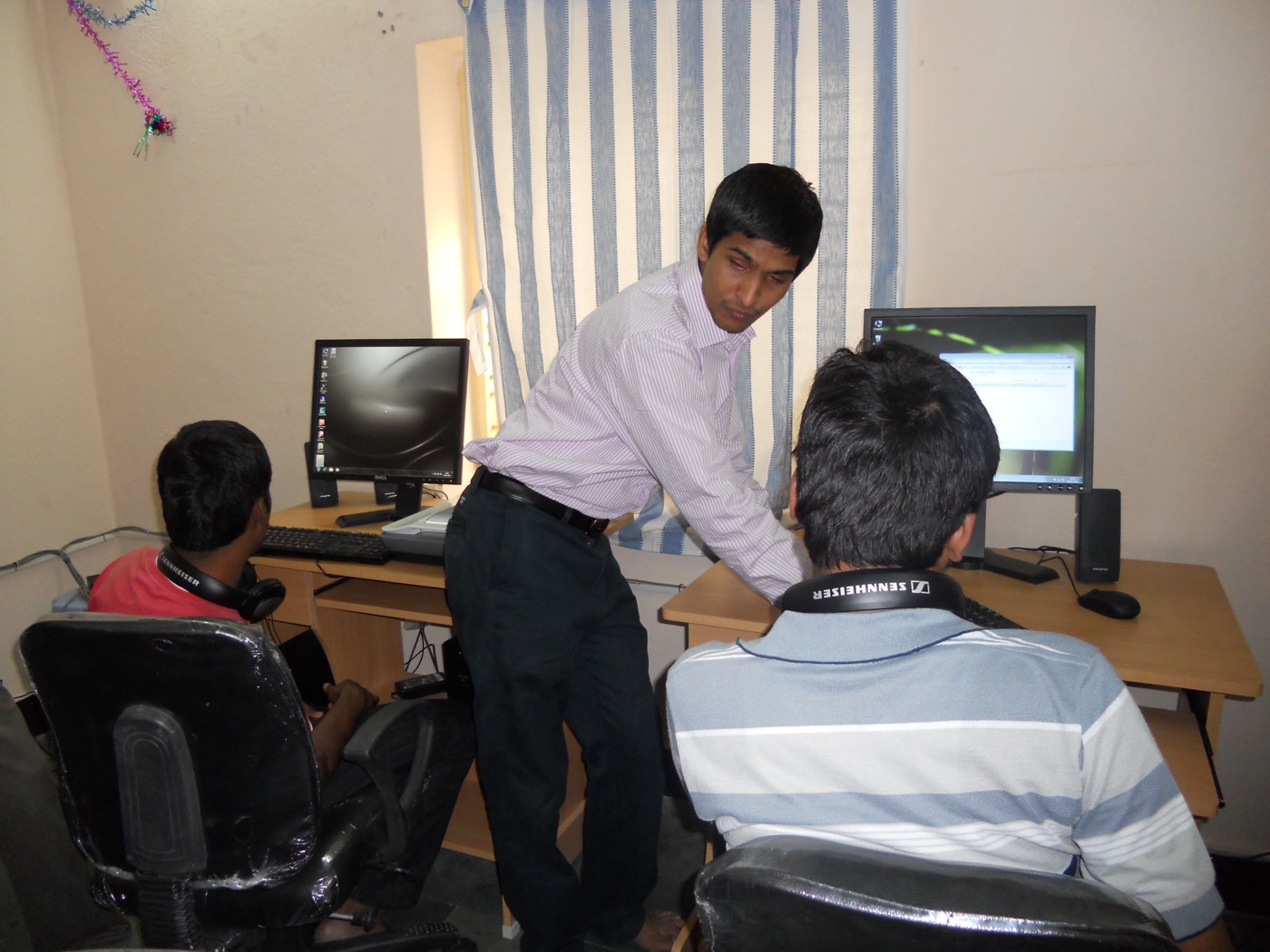
He did not wait for graduation to start building. MIT’s own news office profiled him in June 2010, in his first year, under the headline “Srikanth Bolla ’13 proves that anyone can learn how to swim”. By November 2011 it was reporting that he had launched a computer research and training centre and a digital library for visually impaired students at Samanvai, the Hyderabad centre for children with multiple disabilities that he co-founded in 2011.
He also held fellowships from MIT’s PKG Center, the university’s public-service centre. According to the PKG Center, one of them funded the pilot of the company that became Bollant Industries.
What can students learn from how he got in?
Three things, none of them unique to him. First, the record came before the application: a 98% result in Class X and a court victory that let him study the subjects he wanted. Second, he did not let one country’s gatekeepers define the whole map; when Indian routes closed, he looked abroad. Third, he arrived with a purpose. Within his first two years at MIT he was already working on access to education for visually impaired students in Hyderabad.
Admissions committees, scholarship panels and later investors all respond to the same signal: someone who has already done something with what they were given. That is a habit a student can start building in school, long before any application is due.
What happened after MIT?
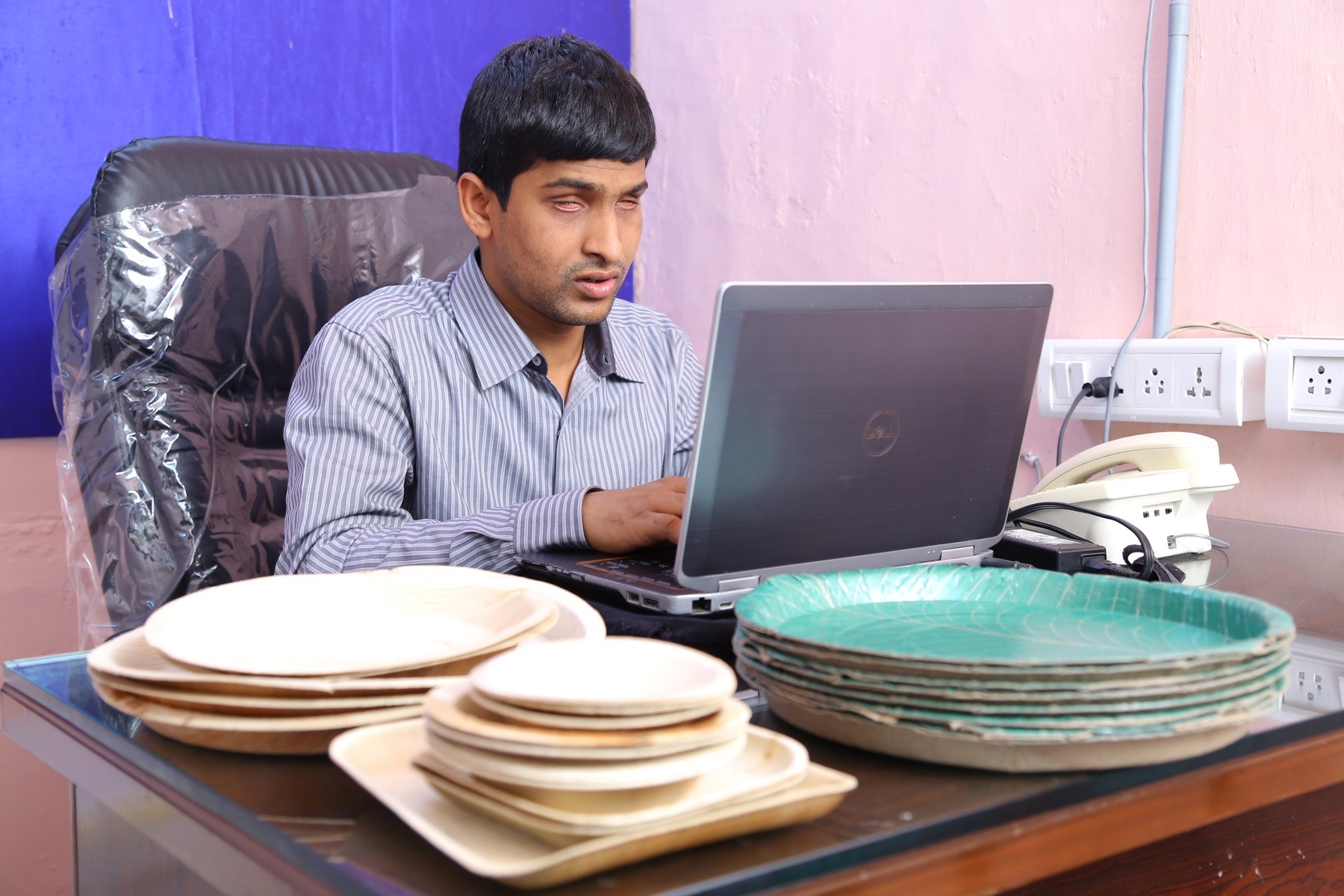
He came back to Hyderabad. In 2012 he co-founded Bollant Industries with Ravi Mantha, starting with five employees in a small house. Ratan Tata invested in the company in 2016. Today, as Bollant publishes it, the group runs two recycling paper mills and eight manufacturing units across Telangana and Karnataka, with more than 500 people.
For students reading this, the transferable part is not the destination. It is the sequence: get the result, refuse a rule that ignores it, apply widely when a door closes, and use every resource the institution offers while you are inside it. The longer account is on From Machilipatnam to MIT.
Frequently asked
Was Srikanth Bolla the first blind student at MIT?
He was MIT’s first international blind student. He studied business and management and graduated with the Class of 2013.
Why was Srikanth Bolla rejected by IIT?
The coaching institutes that prepare students for the IIT entrance examination declined to take him. He told the BBC in 2022 he was told the course load “would be like pouring rain on a small sapling”.
What did Srikanth Bolla study at MIT?
He studied business and management at MIT and graduated with the Class of 2013.
How did MIT help him start Bollant?
He held fellowships from MIT’s PKG Center, the university’s public-service centre. According to the PKG Center, one of them funded the pilot of the company that became Bollant Industries in 2012.
Did he study science at school?
Yes, after a court case. Barred from the science stream after scoring 98% in Class X, he took the education board to court and won after about six months, becoming the first blind student in Andhra Pradesh allowed to study science.
Sources
- MIT News, “Srikanth Bolla ’13 proves that anyone can learn how to swim”, 15 June 2010 (opens in a new tab)
- MIT News, “Inspired to help others”, 15 November 2011 (opens in a new tab)
- MIT PKG Center, “Biopic released of PKG Fellow Srikanth Bolla”, 2024 (opens in a new tab)
- Business Today, “If IIT didn’t want me, I didn’t want IIT either”, 11 April 2024 (opens in a new tab)
- BBC News, profile of Srikanth Bolla, 24 January 2022 (opens in a new tab)
- Forbes India, “Srikanth Bolla: First overseas blind student at MIT …”, 29 April 2024 (opens in a new tab)
Facts about Bollant are as the company publishes them; more of his words, each with its source, are on the quotes page.