I take inspiration from my failures
Forbes India interview
For a sustainability keynote speaker in India, Srikanth Bolla brings something rare to the stage: a circular business he runs every day. Bollant Industries buys waste paper and recycles it into paper, board and products at two mills, about 160 tonnes a day, alongside areca-leaf tableware and EarthCleanse plant-based cleaners. An ESG speaker for India who talks from the plant, not the pledge.
Chief sustainability officers, ESG and CSR committees, procurement and supply-chain leaders, packaging and manufacturing forums, climate weeks and business-school sustainability programmes.
The problem they share: ESG is moving out of the annual report and into operations, and teams want to hear from someone who has already made that move. The hard part of sustainability is rarely the target. It is sourcing the waste, running the machines, paying the people and selling the product at a price customers accept. That is the part he talks about.
The circular economy, as one company actually operates it. Every step below is something he can take an audience through in detail.
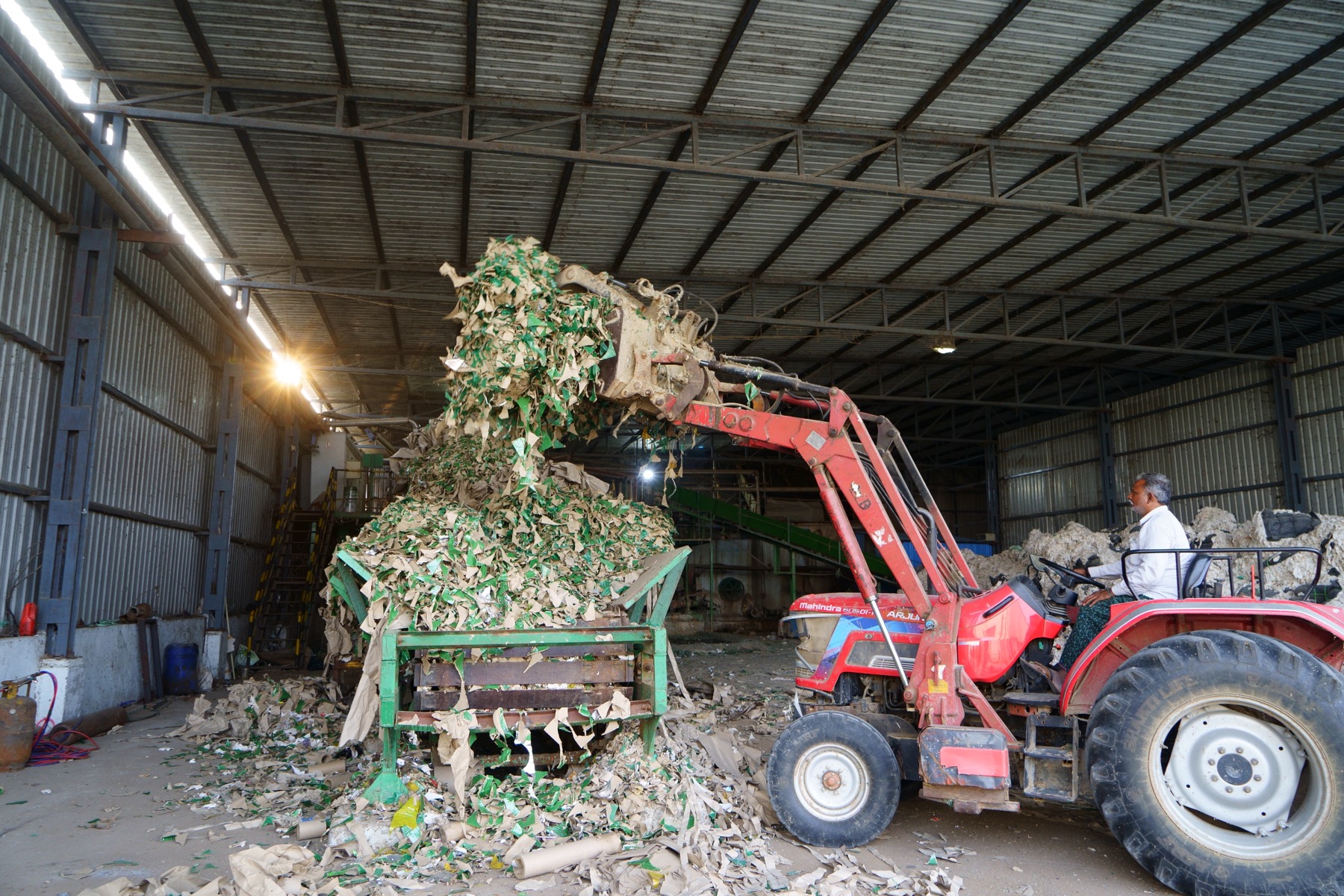
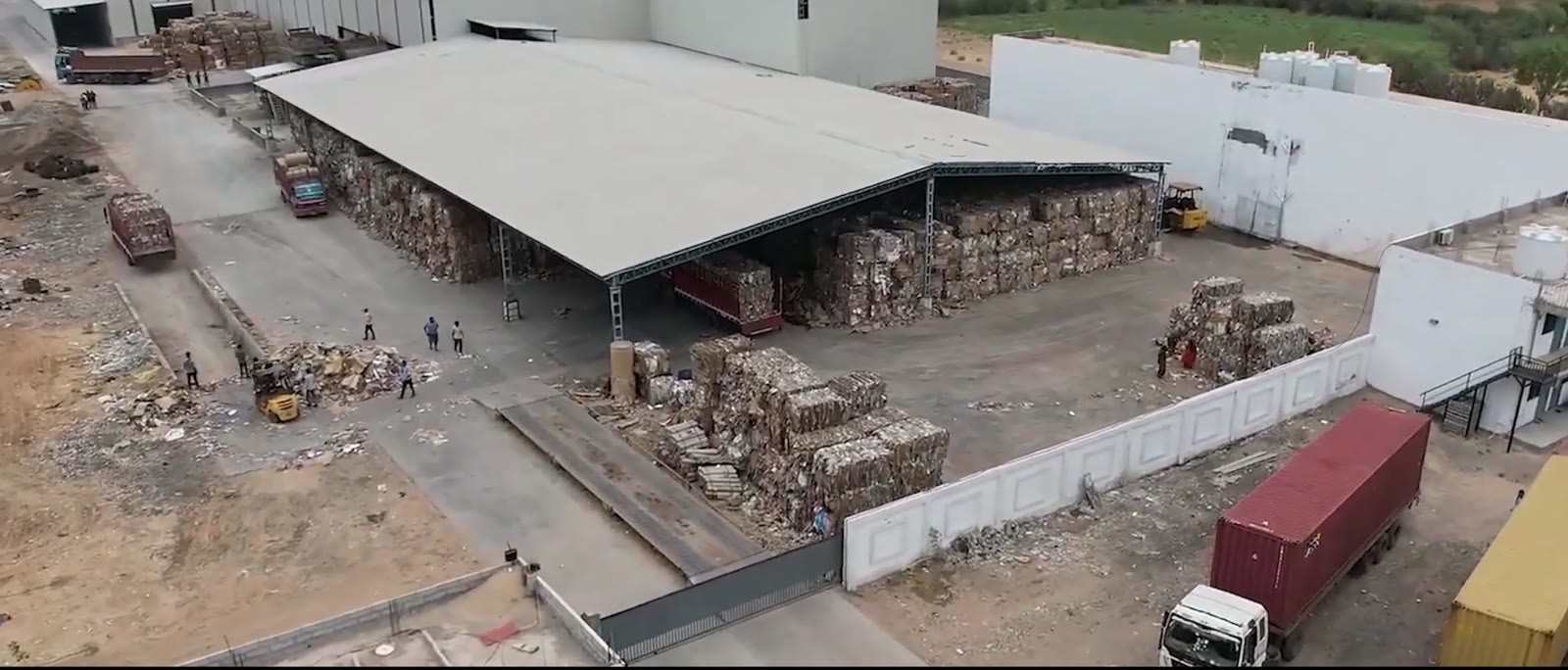
Bollant buys waste paper and brings it into its own recycling sheds.
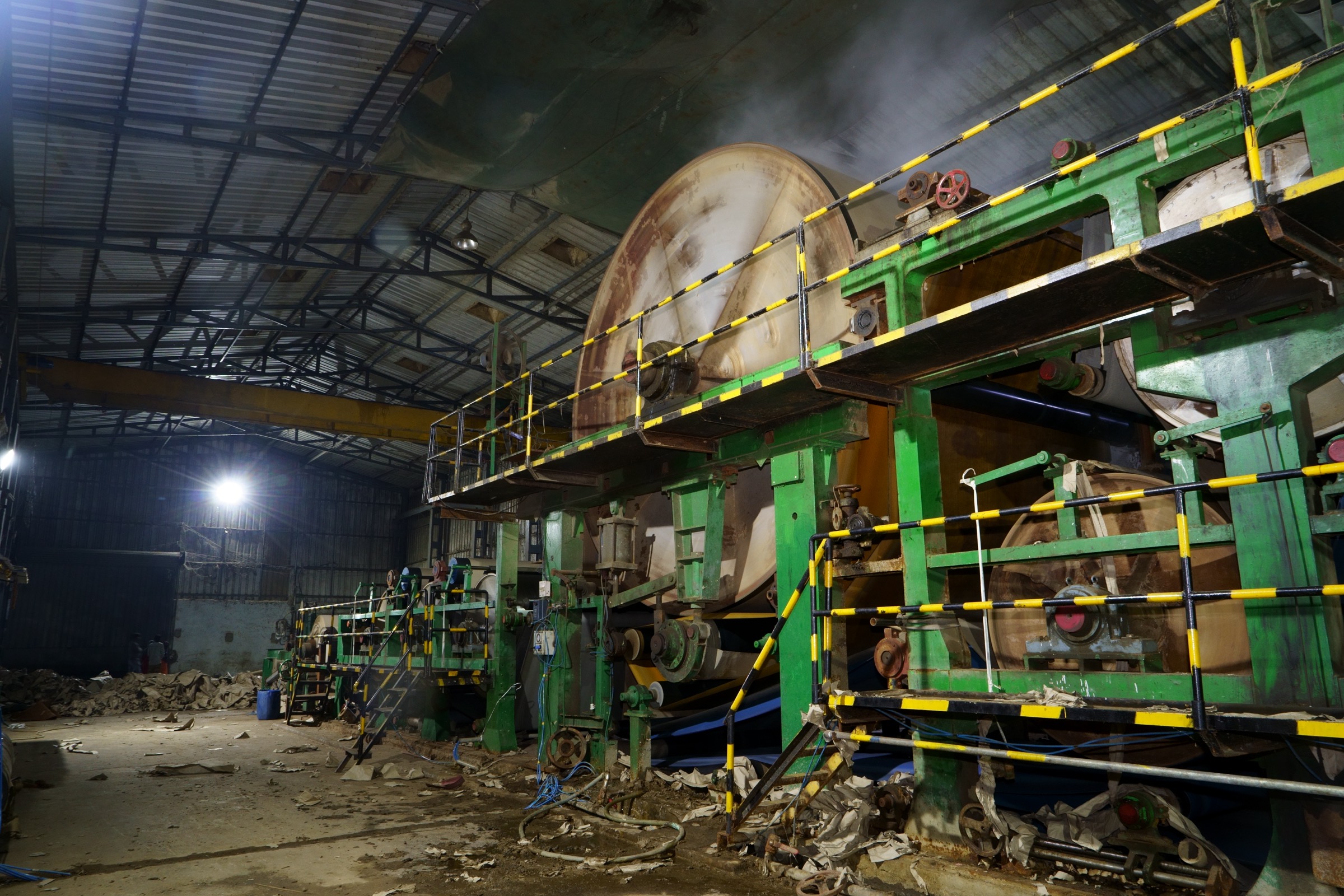
Two recycling paper mills, at Pochampally and Jeedimetla, turn it into kraft paper and board.
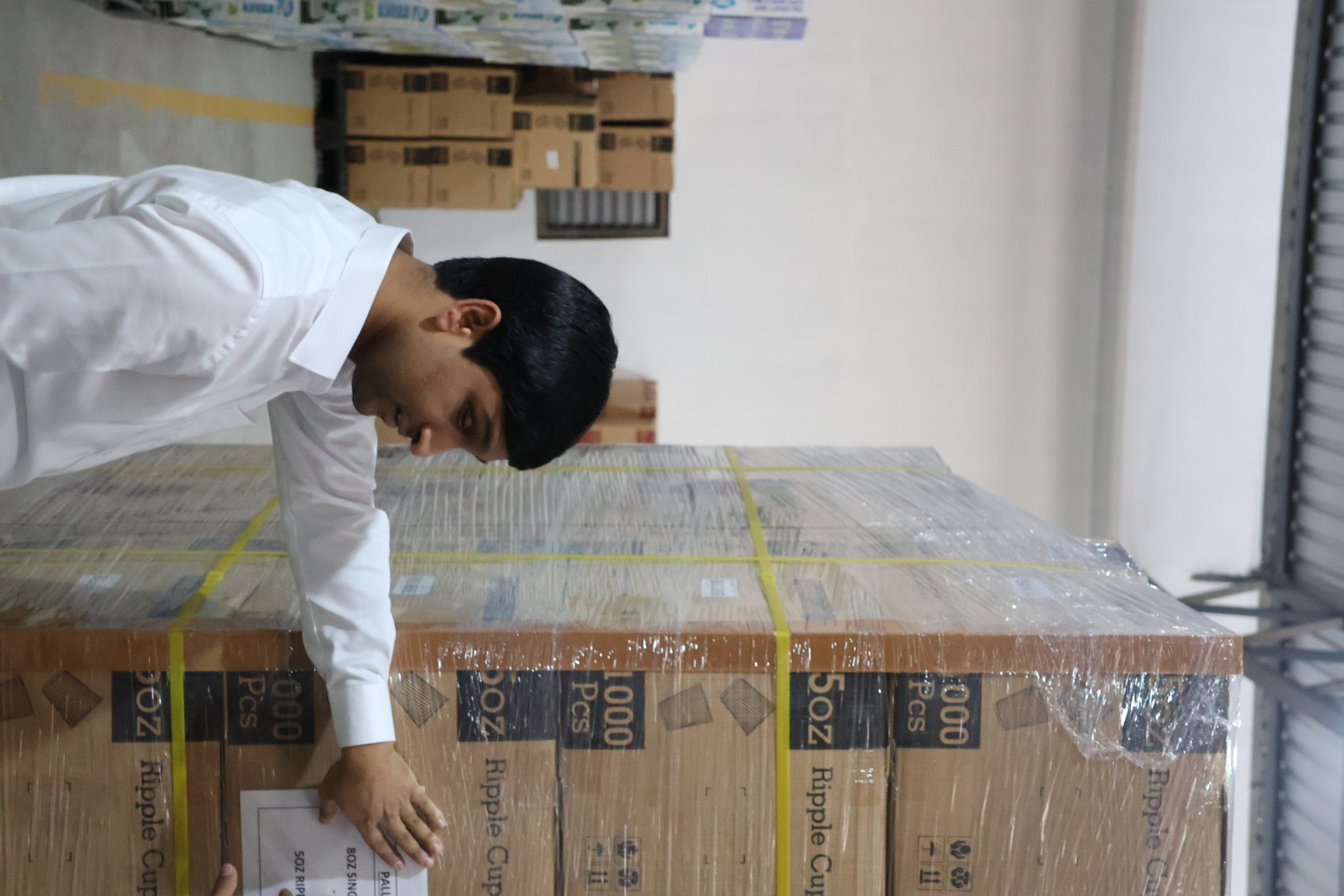
Packaging, paper cores and cones, cups and tableware, made across eight units in Telangana and Karnataka.
Areca-leaf and compostable tableware and EarthCleanse cleaners: “Made from Nature. Returns to Nature.”
2recycling paper mills
~160tonnes a day across both mills
8manufacturing units
36products in seven families
Real sheds, real products, real people. The photographs his talk is built around.
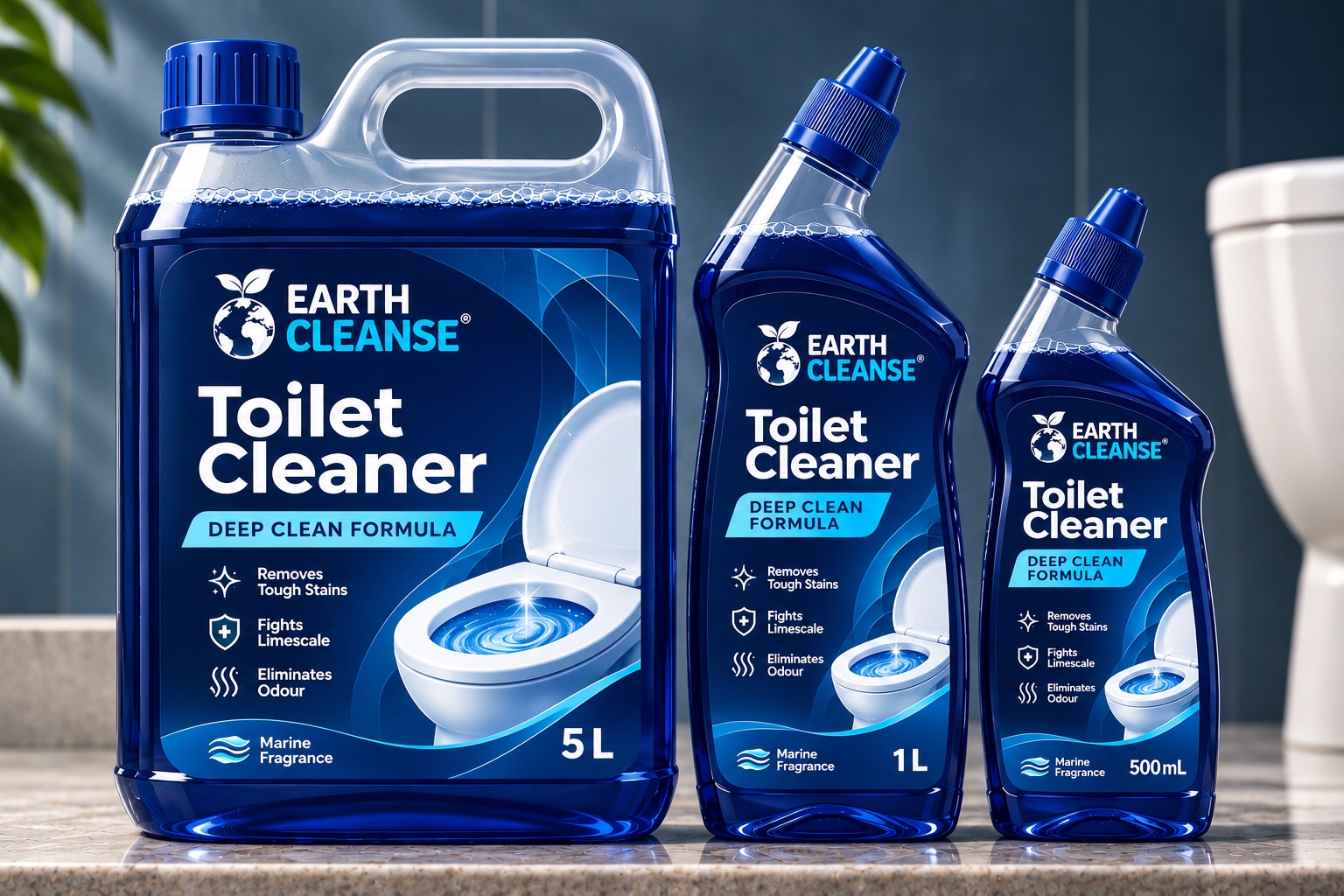
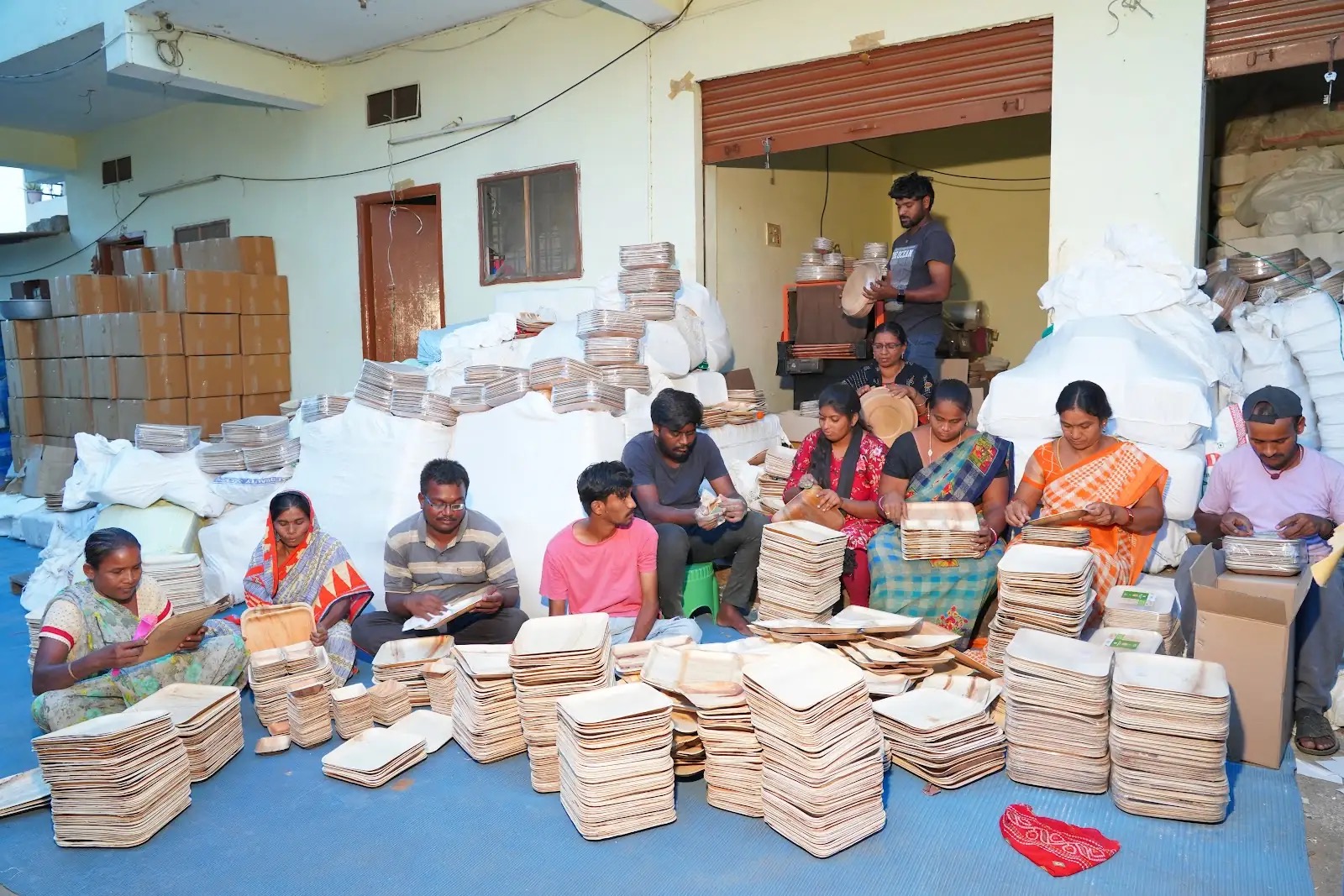

Three of his twelve topics carry most sustainability briefs.
The Bollant model from waste paper to finished product, and why doing right by the planet has to pay its own way.
Scaling a recycling business into two mills and eight units: the capital, the machines and the decisions in between.
Vision in business: building today for the materials, rules and customers of the next decade.
Forbes India interview
A business interview with Forbes India on building Bollant and learning from what went wrong on the way.
Keynote, fireside chat, panel or workshop, in person, virtual or hybrid, subject to availability. Also see entrepreneurship keynotes, inclusion keynotes and sustainability brand partnerships.
Tell us about your audience, your date and your sustainability agenda. We reply within a few business days.